

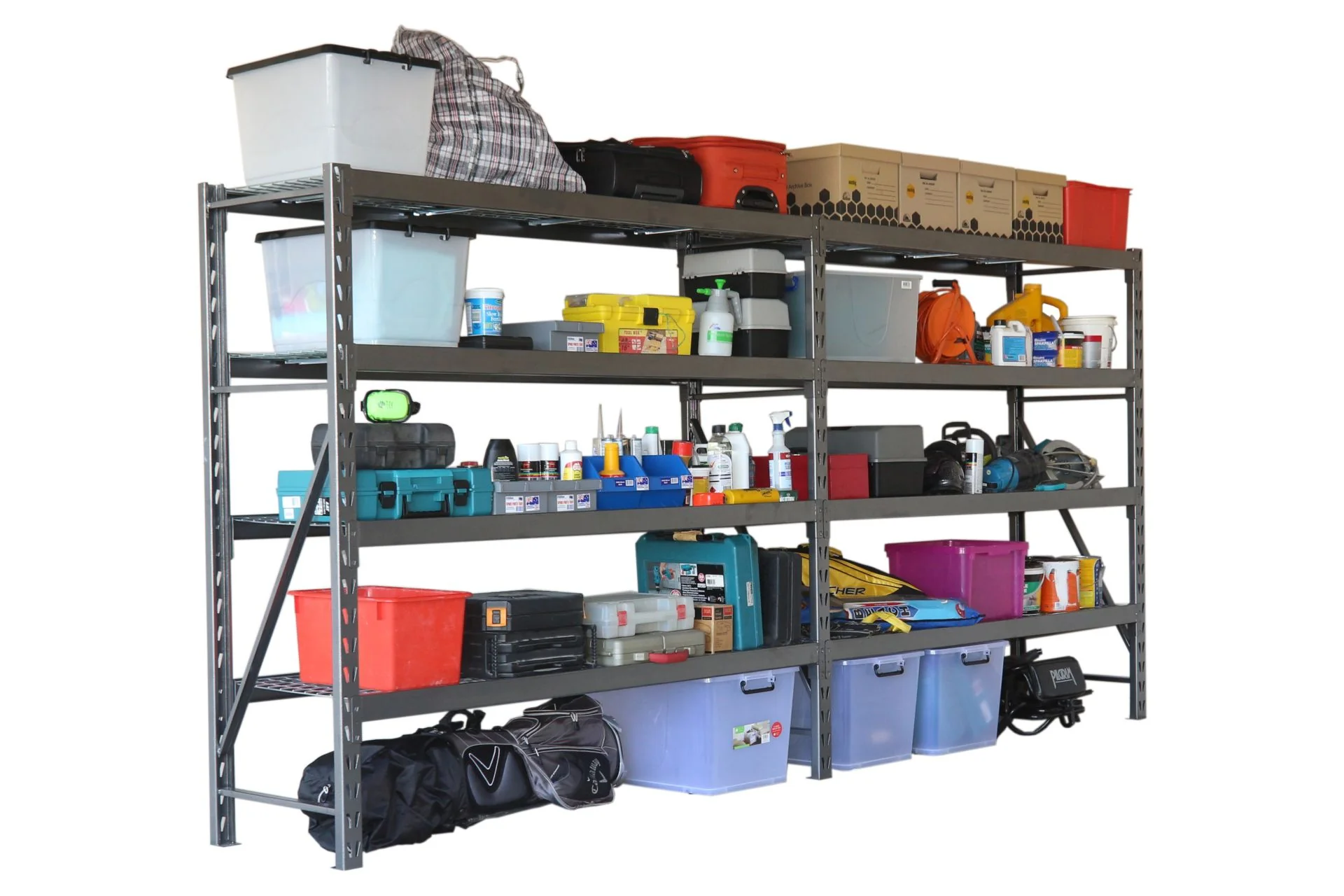
When I look at a small parts storage area, I usually understand the health of the whole operation almost immediately, because tiny components tell the truth in a way big pallets never do, and if washers, fittings, connectors, labels, fasteners, spare parts, and small boxed items are drifting across shelves, hidden in mixed bins, stacked in random corners, or living inside half-labeled cartons that only one experienced employee can decode, then the problem is never just storage, it is process clarity, daily discipline, and lost time all quietly piling up in one place 😊 This is exactly why light and medium duty racking matters so much for 5S, because these systems are not only about holding products, they are about giving small parts a visible, repeatable, and logical home that supports the way people actually search, pick, refill, count, and return items during a real working day. I think this is where Detay Industry becomes especially valuable, because its light and medium duty rack systems are clearly positioned for cartons, plastic bins, archived items, and small to medium-sized components, which makes them a very natural fit for disciplined storage environments where neat presentation and fast access are not a luxury but a daily need.
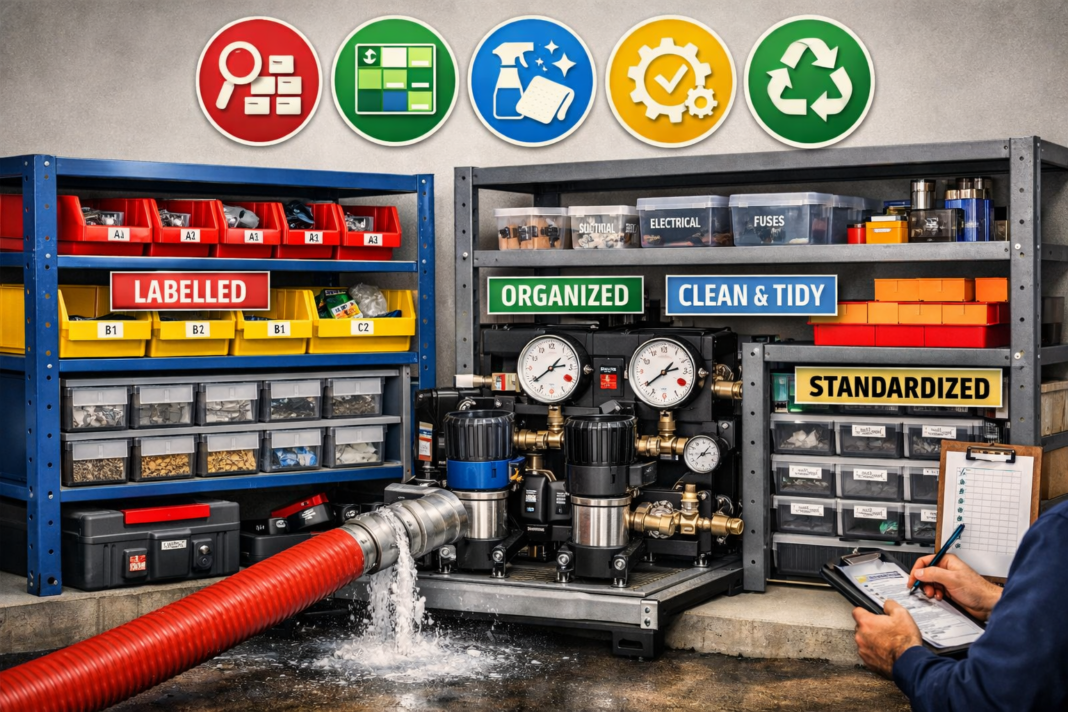
The beauty of 5S in small parts storage is that it sounds simple, but when it is done properly it changes everything, because sorting removes what does not belong, setting in order makes the needed items easy to find, shining keeps the area usable and clean, standardizing prevents every shelf from becoming a personal interpretation of order, and sustaining turns a good setup into a real working habit rather than a one-week improvement campaign. In a small parts room, those principles live or die through the storage system itself, and that is why I see a good rack not as passive furniture but as a physical guide for behavior. A strong and practical rack systems approach helps the team separate categories clearly, assign bin positions consistently, and stop treating small components like floating clutter. I always compare it to organizing a toolbox versus dumping everything into one drawer, because once every item has a place, the whole room feels calmer and the hands start moving with more confidence 🌟
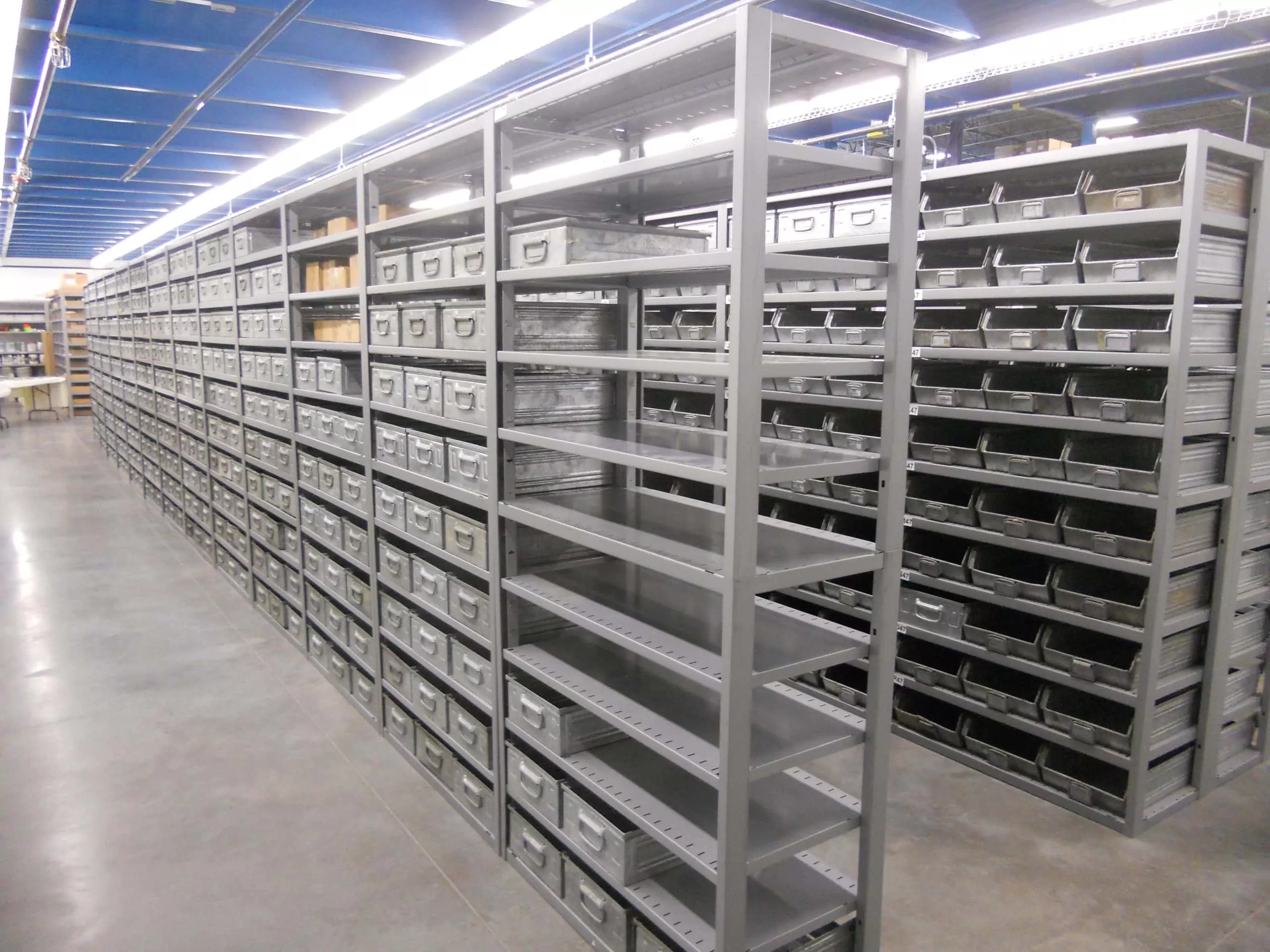
The first way light and medium duty racking supports 5S is through sorting, because a proper shelving layout forces decisions that messy storage lets people postpone forever. When the rack is divided into usable levels and clear zones, it becomes much easier to separate fast movers from slow movers, active stock from obsolete stock, production parts from maintenance parts, and approved items from questionable leftovers that nobody truly trusts anymore. I love this stage because it feels like opening the windows in a crowded room and letting the space breathe again. A shelf that is too vague encourages hesitation, but a clearly planned one encourages judgment. This is exactly why Detay Industry racks make sense to me in small parts storage, because they support the basic discipline of grouping items by logic instead of letting the room be shaped by whatever box happened to be empty that day.
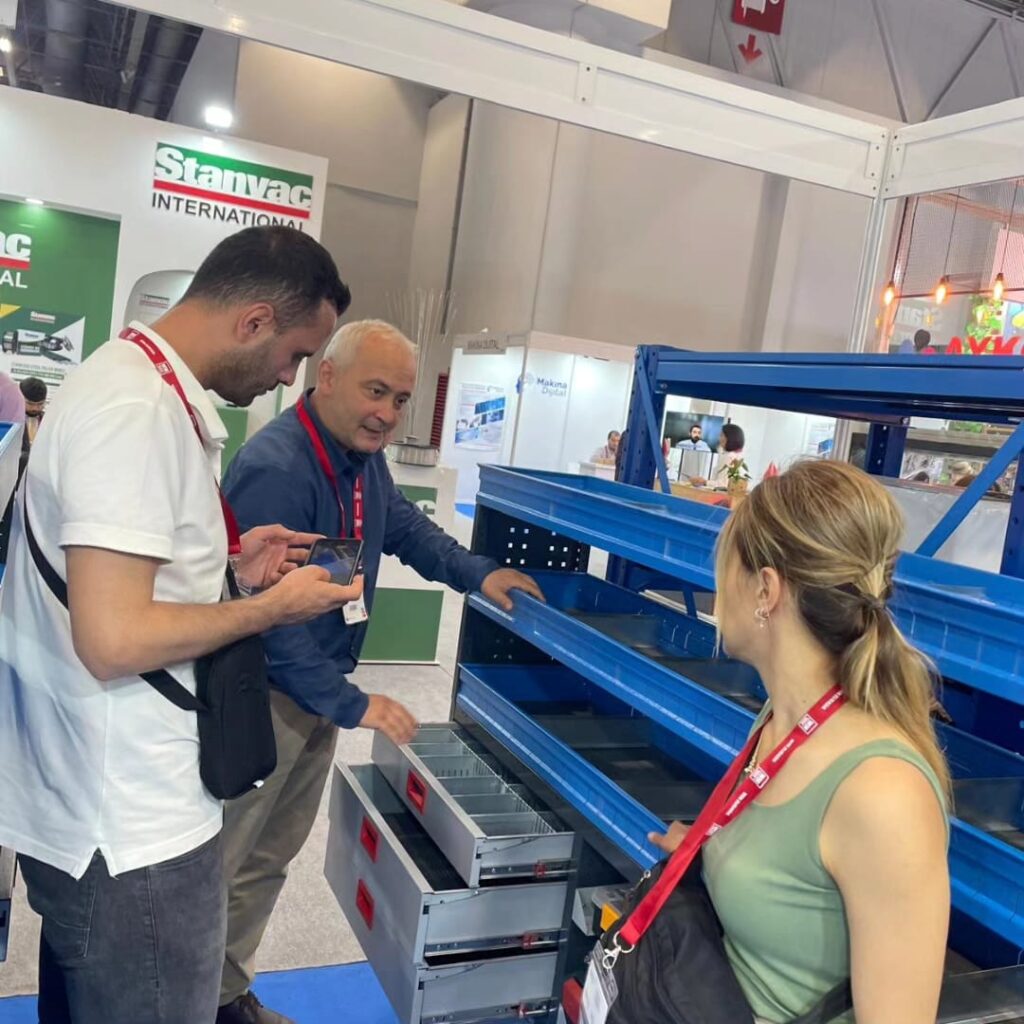
The second way they support 5S is through setting in order, and for me this is the heart of the whole system, because small parts become expensive not only when they are lost but also when they are hard to find quickly. A well-arranged rack with labeled bins, repeatable shelf heights, and clear family groupings reduces search time, lowers picking mistakes, and makes replenishment much easier. This can work beautifully with related support tools too, such as an industrial table nearby for counting or kitting, or a workbench for inspection and preparation tasks. The deeper advantage here is that the rack starts telling people where things belong without needing constant verbal explanation, and that is one of my favorite things about good industrial design, because the environment itself becomes part of the training.
| 5S Step | Common Small Parts Problem | How Light and Medium Duty Racking Helps |
|---|---|---|
| Sort | Mixed old and active inventory in the same area | Creates defined shelf zones for category separation |
| Set in Order | Search time and picking errors | Supports labeled bins and consistent locations |
| Shine | Dusty, messy shelves and hidden waste | Keeps surfaces visible and easier to clean |
| Standardize | Each person stores parts differently | Encourages fixed shelf rules and visual routines |
| Sustain | Order collapses after the first cleanup | Makes daily return and replenishment easier to maintain |
The third support area is shine, and I think this matters more than many teams first realize, because a shelf system that keeps bins upright, visible, and logically spaced makes dirt, damaged packaging, empty stock points, and wrong returns much easier to spot. Mess hides in bad storage, but it has a much harder time hiding in a clean rack structure. That means routine cleaning becomes faster and visual abnormalities become more obvious, which is exactly what you want in a 5S environment. OSHA’s storage guidance emphasizes that stored material should not create hazards and that storage areas should be kept free from hazardous accumulation, and this is where good shelving contributes directly to safer housekeeping instead of leaving items piled on the floor or blocking access paths. I think Detay Industry fits this conversation very naturally because tidy, accessible shelving is not just a visual improvement, it is an operational and safety improvement too.
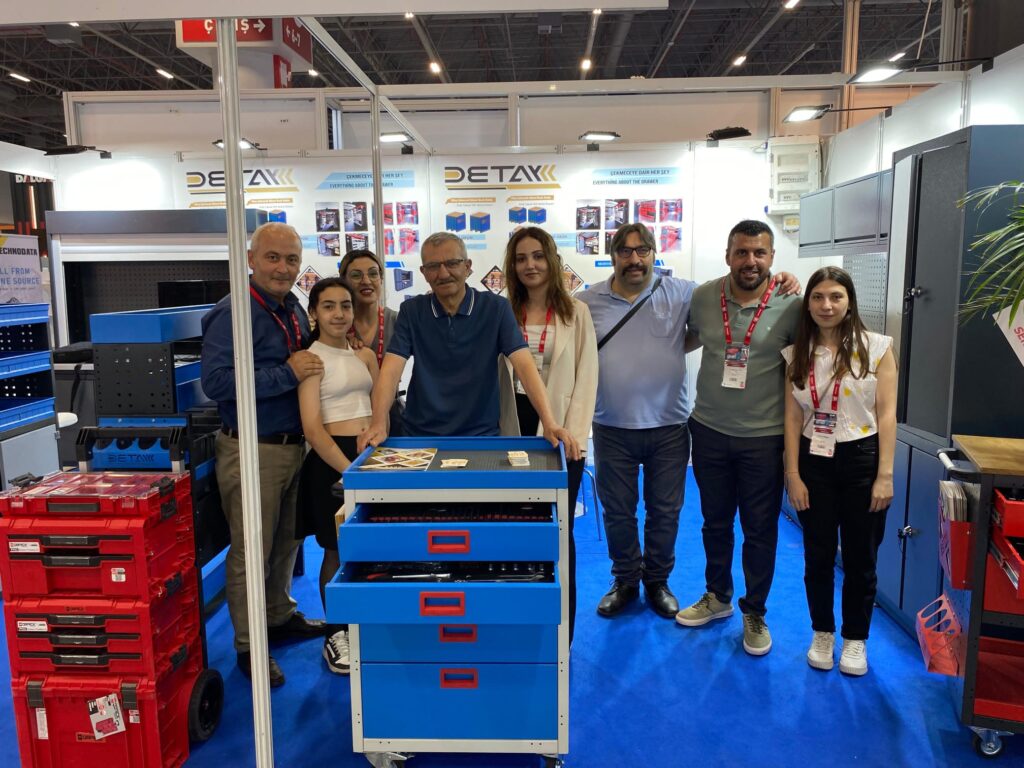
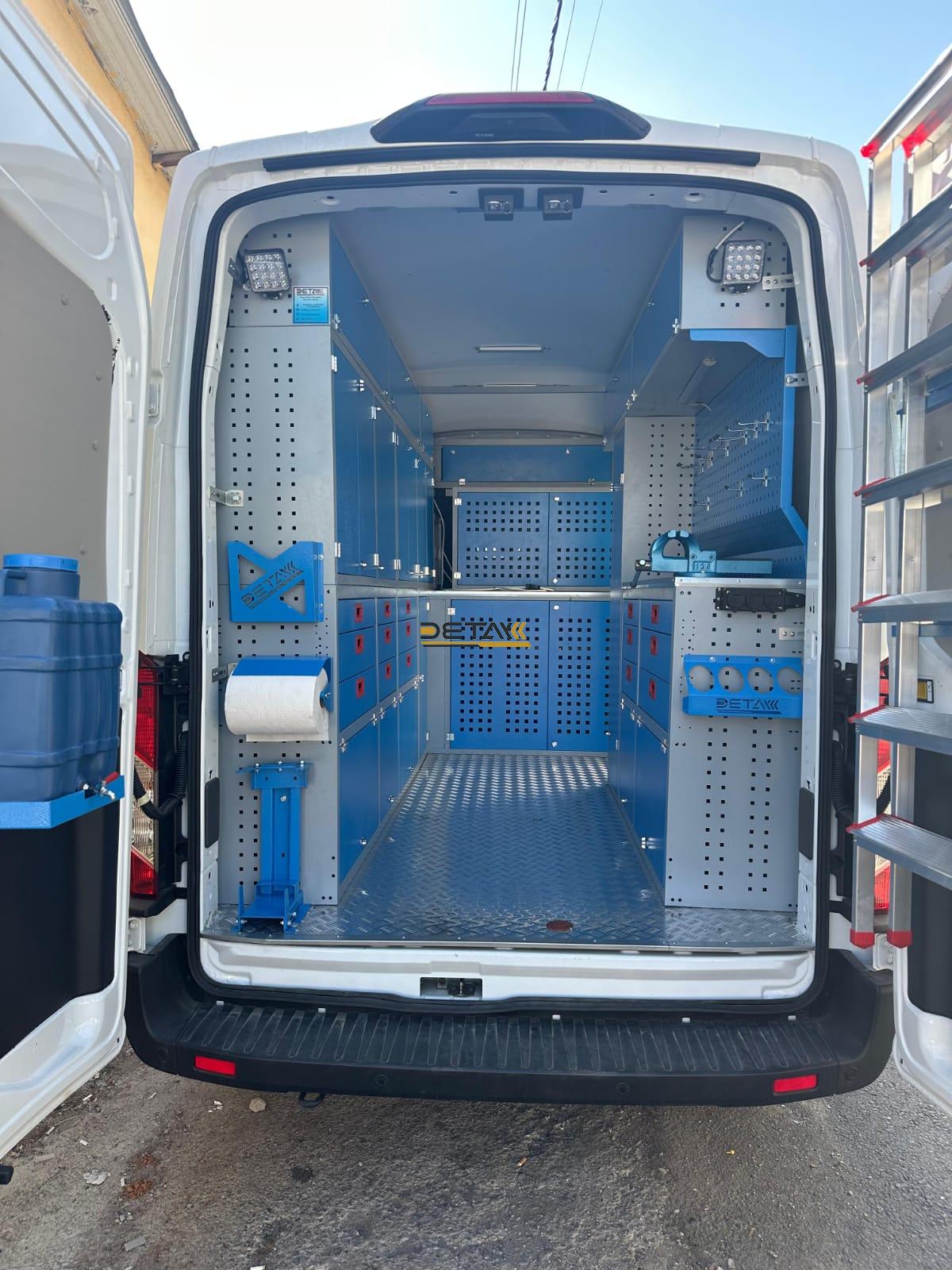
The fourth way these systems support 5S is through standardization, and honestly this is where small parts storage usually either becomes excellent or falls apart again. If one employee stores bolts by size, another by supplier, and a third by whichever shelf happens to be empty, then the room may still look organized for a moment, but it is not standardized, and that means it is not truly stable. Light and medium duty racks help fix that by offering a simple skeleton for rules, such as one shelf bay for one product family, one bin type for one class of parts, one replenishment level marker, and one return position for overflow. I genuinely love this stage because it turns organization from personality into system. This is also where support equipment like an in-vehicle material cabinet mindset or even an in-vehicle cabinet logic becomes useful as a metaphor, since in both cases the real power comes from fixed homes and repeatable access rather than simple storage volume.
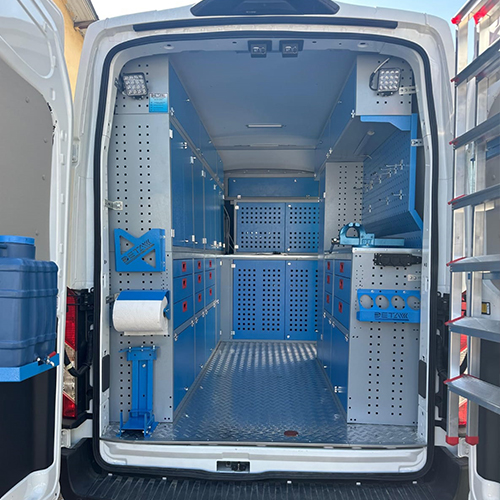
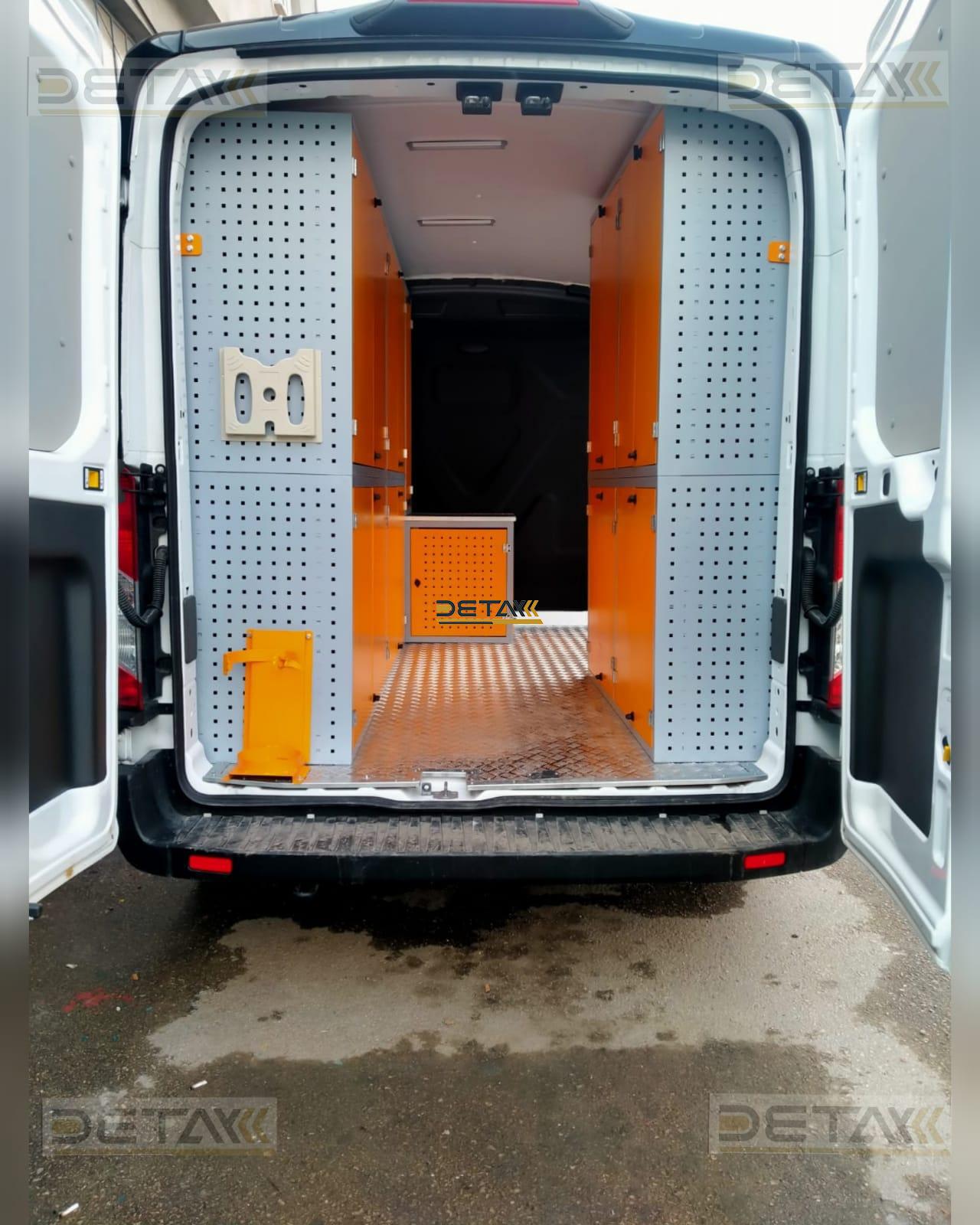
The fifth and most difficult step is sustain, because every storage room looks better on the day after a cleanup, but far fewer look better three months later when real life has returned with urgent jobs, rushed picking, and new parts arriving unexpectedly. This is where I think the right rack system quietly earns its value every single day. When the shelves are easy to read, easy to refill, easy to clean, and easy to audit visually, people are much more likely to keep the order alive. If the system is awkward, they drift back into shortcuts. A good in-vehicle rack system teaches the same lesson in mobile environments, and I think that comparison is useful because whether the setting is a van or a spare parts room, the principle never changes, which is that good organization survives when it is easier to follow than to ignore. That is another reason Detay Industry feels like a strong match here, because modular and practical storage tends to support long-term habits much better than improvised shelving ever can.
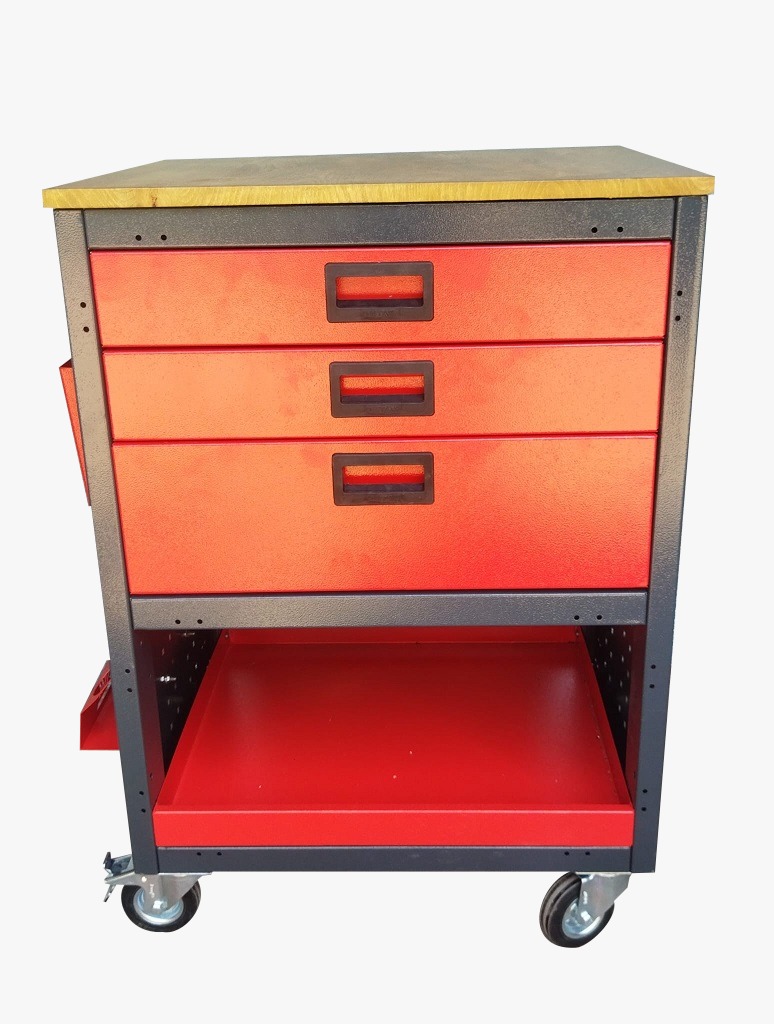
Let me give a simple example that feels very real to me. Imagine a maintenance spare parts room where O-rings, cable ties, connectors, screws, and fuses all live in different cardboard boxes stacked on the floor and on top of each other. Every urgent repair starts with a hunt, and half the delay comes not from the repair itself but from trying to find what should have been easy to reach in the first place. Now imagine the same room rebuilt with light and medium duty racks, labeled bins by category and size, fast movers placed at comfortable reach, slow movers higher or lower, and a nearby in-vehicle equipment rack style kit-prep mindset for service replenishment. Suddenly the space stops behaving like a pile of parts and starts behaving like a reliable mini-system 😊 That is what 5S is really trying to create, not just cleanliness, but trust.
I also think ergonomics deserves a place in this discussion, because OSHA’s materials handling guidance notes that changing shelf height can be part of reducing physical strain, and that matters in small parts storage too, especially when people reach hundreds of times per day. Putting frequently picked bins in more comfortable zones and less active items in secondary positions is such a small adjustment on paper, but in real life it reduces unnecessary bending, stretching, and irritation. Those tiny improvements often become the difference between a storage area people respect and one they quietly resent. When the shelf respects the body, people usually respect the shelf more in return.
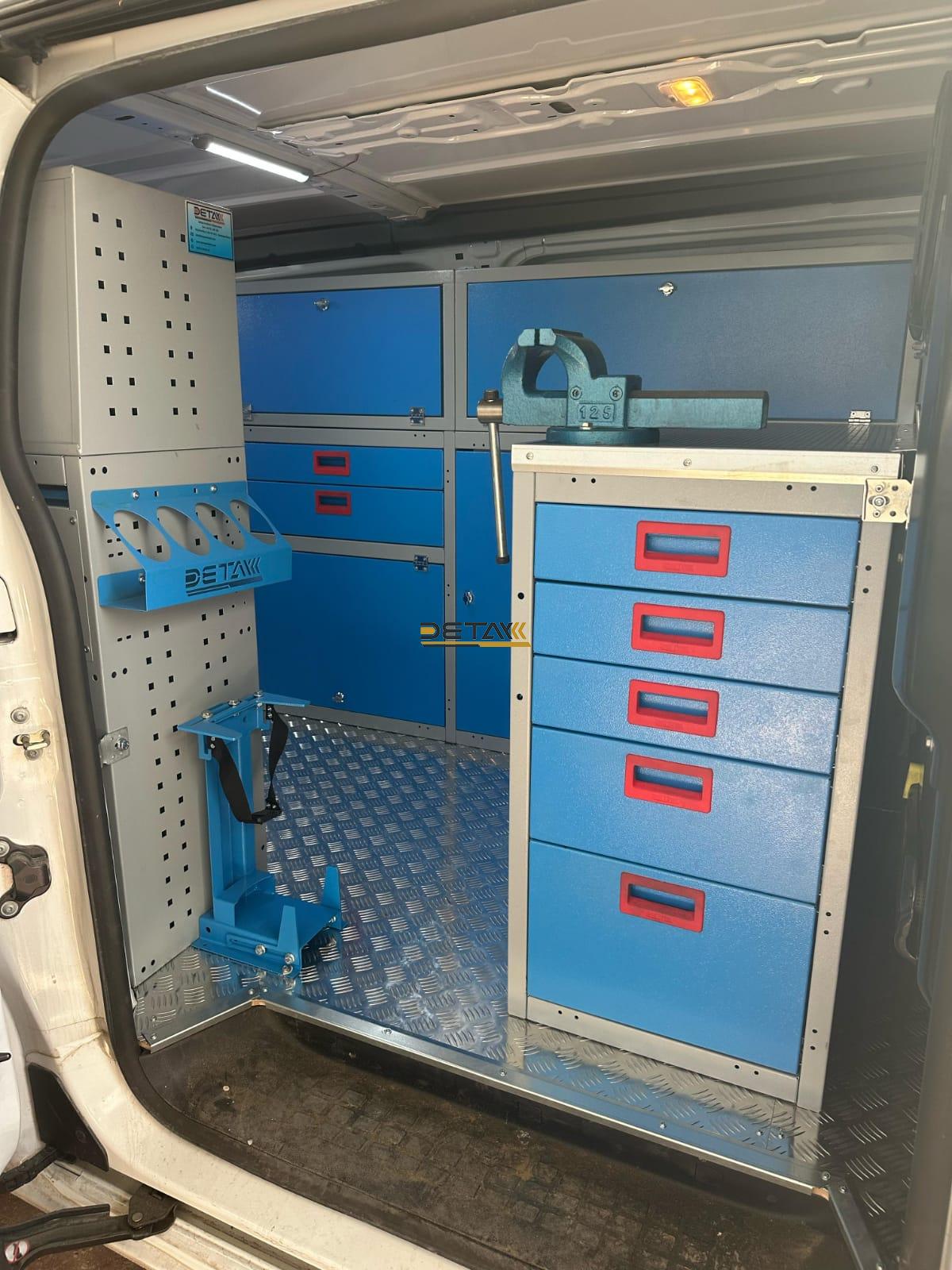
In the end, light and medium duty racking supports 5S in small parts storage because it gives discipline a physical shape. It helps teams sort more honestly, arrange parts more logically, clean more easily, standardize more clearly, and sustain order with far less daily effort. When that happens, the storage area stops being a silent source of wasted time and starts becoming a quiet engine of reliability, and that is exactly why I believe Detay Industry offers such a strong foundation for companies that want small parts storage to feel lean, readable, and genuinely under control 🚀