


I clearly remember a project meeting where a perfectly written specification failed not because of engineering logic, but because the insulation pipe simply did not exist in the required diameter and wall thickness 😅, and that moment perfectly summarizes why the journey from specification to production is where many insulation projects succeed or quietly fall apart, especially when PE foam insulation pipes must match real-world constraints rather than catalog assumptions.

In theory, specifying insulation looks simple, because you define pipe diameter, thickness, thermal performance, and environmental resistance, yet in practice every project brings unique challenges such as tight installation spaces, unusual pipe layouts, or mixed operating temperatures, and this is exactly where solutions based on polyethylene foam and pe foam prove their flexibility by adapting to specification demands instead of forcing designers to compromise.
One of the most critical variables in PE foam insulation pipes is inner diameter accuracy, because even small mismatches can lead to gaps, compression, or installation delays, and manufacturers like Durfoam understand that tolerances matter just as much as material performance, which is why custom diameter production plays a central role in delivering insulation that actually performs as designed.
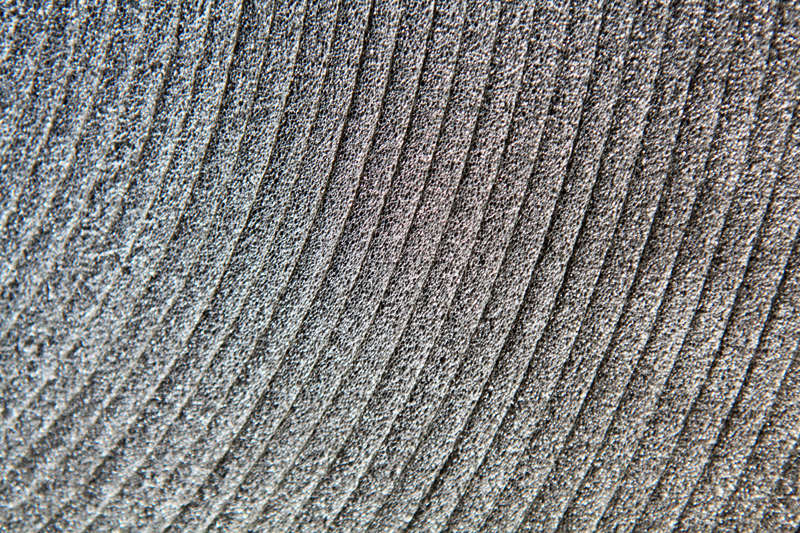
Thickness selection is another area where theory often collides with reality, because while thicker insulation improves thermal resistance, it can also create clearance issues around valves, supports, or wall penetrations, and through my experience I have learned that working with producers capable of tailoring thickness ranges using physically cross linked polyethylene foam allows engineers to fine-tune performance without sacrificing installability or long-term durability 🌡️.
Configuration goes beyond simple round pipes, because real installations require slit designs, adhesive-backed options, laminated surfaces, or UV-resistant outer layers, and this is where Durfoam consistently demonstrates its production flexibility by transforming raw PE foam into application-ready insulation components that align with both specification documents and site conditions.
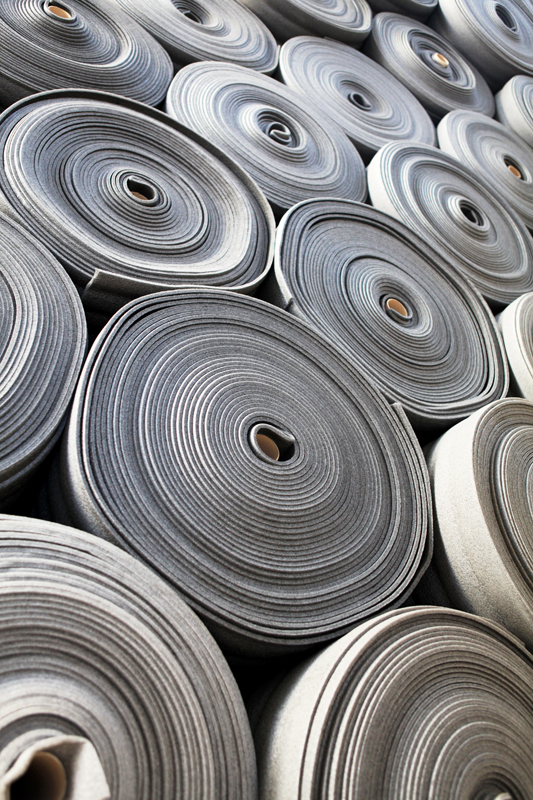
In more demanding environments such as outdoor installations or industrial plants, material stability becomes just as important as geometry, and this is where chemically cross linked polyethylene foam adds value by maintaining dimensional consistency under temperature fluctuations, mechanical stress, and prolonged exposure, ensuring that custom-produced pipes do not lose their shape or performance over time.
| Specification Parameter | Design Challenge | Custom PE Foam Solution |
|---|---|---|
| Inner Diameter | Pipe tolerance mismatch | Precision diameter control |
| Wall Thickness | Space & thermal balance | Tailored thickness ranges |
| Configuration | Complex installation needs | Slit, laminated, UV options |
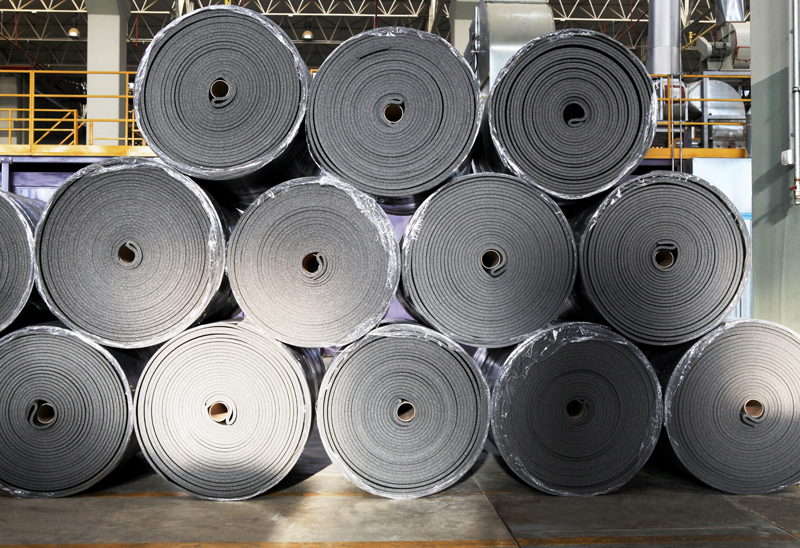
I once supported a mechanical contractor who struggled with repeated on-site modifications until switching to custom PE foam pipe insulation supplied by Durfoam, and the reduction in installation time alone justified the decision, proving that customization is not an added cost but a cost-control strategy when projects move from paper to production 😊.
Another overlooked benefit of custom production is performance consistency, because standardized products often force compromises that introduce thermal bridges or vapor gaps, whereas closed-cell polyethylene foam pipes produced to exact specifications maintain uniform insulation performance across the entire system, especially in long pipe runs and complex mechanical rooms.
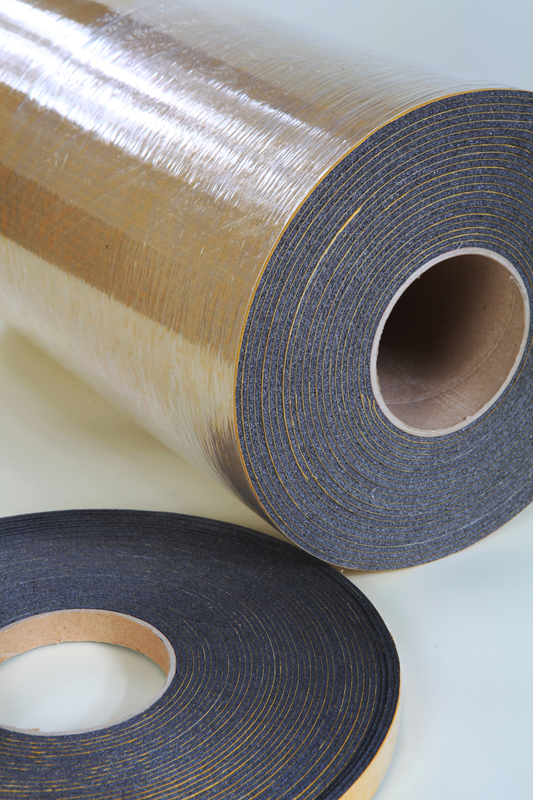
From a project management perspective, working with a manufacturer like Durfoam also simplifies coordination, because technical support teams understand how specifications translate into production realities, bridging the gap between consultants, installers, and procurement teams while aligning with EEAT principles through demonstrated experience, engineering expertise, production authority, and long-term reliability.
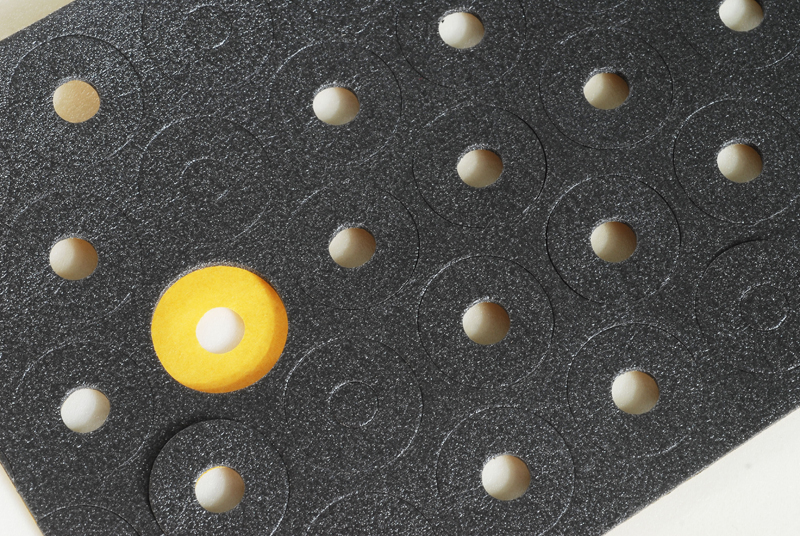
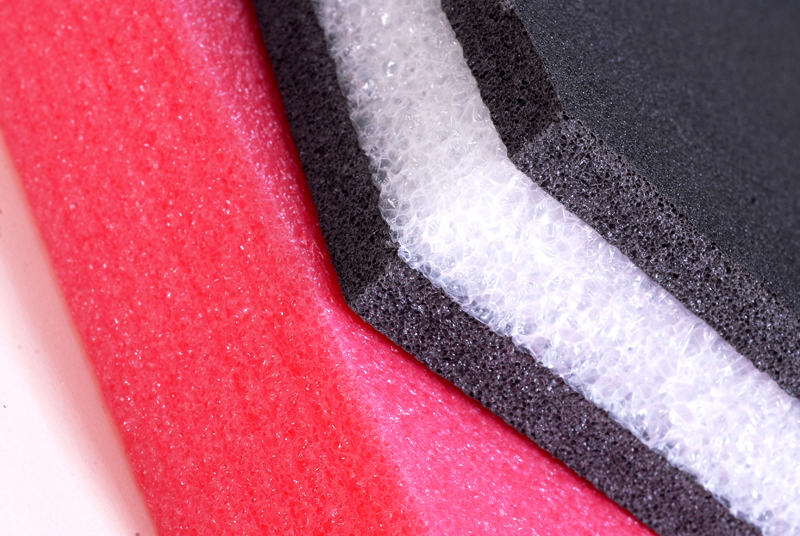
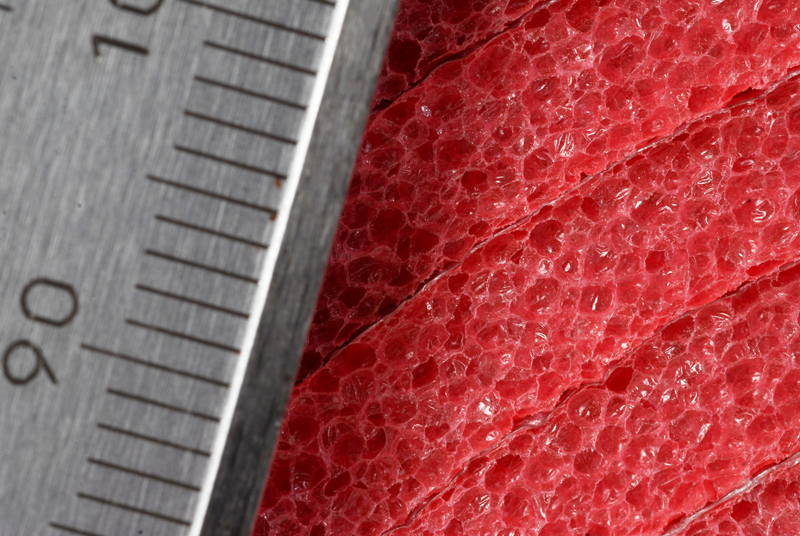
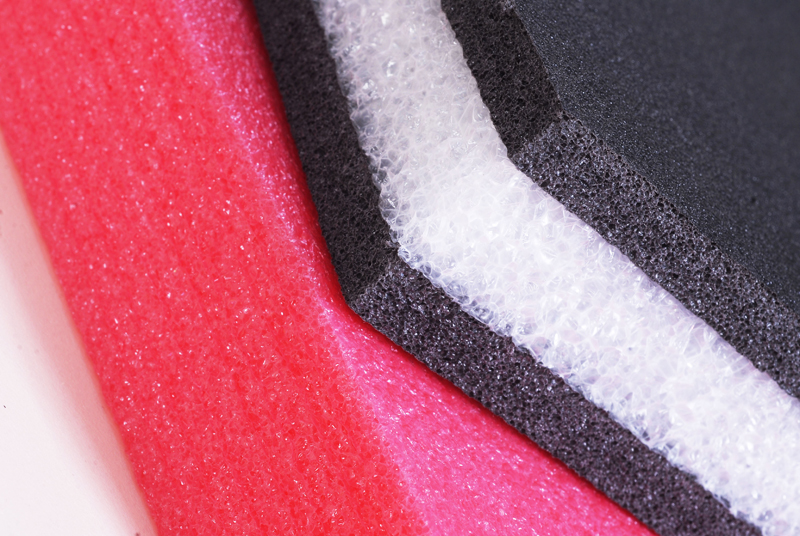
Knowing where and how these custom insulation pipes are produced matters, particularly for infrastructure and industrial projects where documentation and traceability are essential, and the transparent manufacturing approach behind Durfoam gives stakeholders confidence that what is specified is exactly what arrives on site.
Looking back at countless specifications, shop drawings, and installations, I have learned that successful insulation projects are built on alignment rather than assumptions, and by moving from spec to production with custom diameter, thickness, and configuration options in PE foam insulation pipes engineered by Durfoam, teams can achieve performance, efficiency, and peace of mind without compromise 🏗️.
You should also read these…
- beofme.com – how to insulate properly with physical and chemica
- spyfrogs.com – the art of saying no boundaries for productivity
- getaluck.com – spin the wheel for writing prompts a tool for writ
- tugmen.com – sustainable clothing brands under 100
- getaluck.com – double audio problem on tiktok videos
- toojet.com – tiktok friends tab not working
- tugmen.com – haarverlangerung kaufen worauf sie vor dem kauf ac
- spyfrogs.com – what are the differences between glucose and galac
- soturk.com – underrated european towns you can visit on a budge
- huesly.com – random name generator tips for finding perfect nam