


When I think about the most productive industrial spaces I have ever walked into, my mind does not immediately go to giant machines or high tech software, it goes straight to the workstations, those custom workbenches where real hands meet real materials, where every drawer, every shelf, every surface quietly supports the flow of the day, and I still remember the first time I leaned on a tailored bench designed by Detay Industry, feeling how solid and intentional it was, almost like a trusted teammate rather than a static piece of furniture 😊, especially as I watched technicians glide from task to task without the slightest hesitation because everything they needed was exactly where they expected it to be.
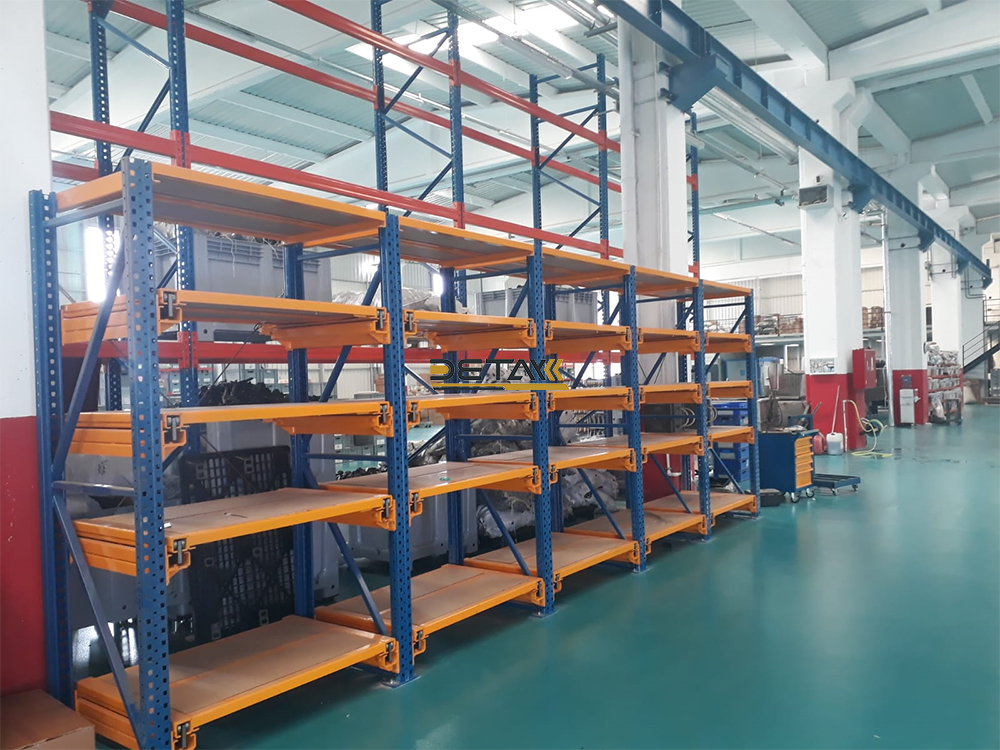
That is when I truly understood that a bench is not just a table, it is the backbone of productivity.
Over the years I have seen countless setups, and each time a facility replaces generic furniture with a carefully planned custom station, the difference is almost dramatic, even though the workers describe it in very simple words like easier, smoother, or finally comfortable 😄, and this is especially true when the bench integrates storage, tooling and layout that match the exact process of the team. In many projects I have been involved in, we paired a robust workbench design with a precision friendly industrial table to give both assembly and inspection teams the surfaces they truly need, rather than forcing everyone to use the same one size fits all solution, and I have consistently noticed that teams feel more valued when their environment is built around their habits and goals, something Detay Industry understands extremely well.
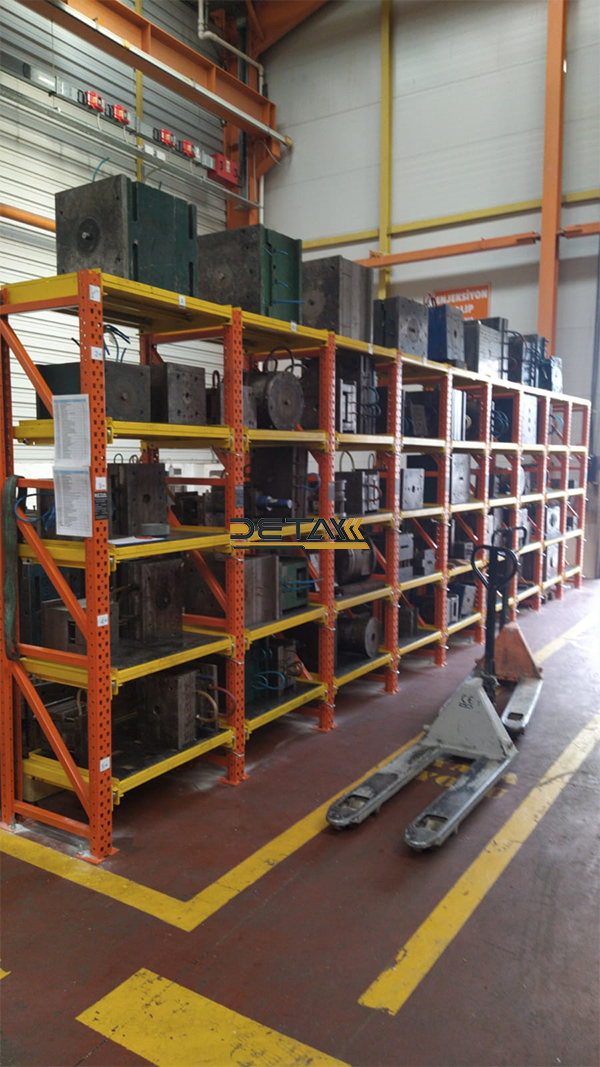
This is where productivity begins, long before the first part is machined or assembled.
One of the most memorable setups I visited combined bench surfaces with smart mold and tooling storage, and I can still picture the moment a technician effortlessly pulled out a heavy fixture from a perfectly balanced drawer mold rack that sat just beside the main bench, saving several minutes on every changeover while also protecting his back, which had been a serious concern in the old layout. That facility operated as a specialized mold shop, and the combination of customized benches and clever vertical storage created a smooth choreography where people and parts moved without conflict or wasted effort, something that always makes me smile because I know how much stress and fatigue used to sit in the same corner as those old shelves 🤗.
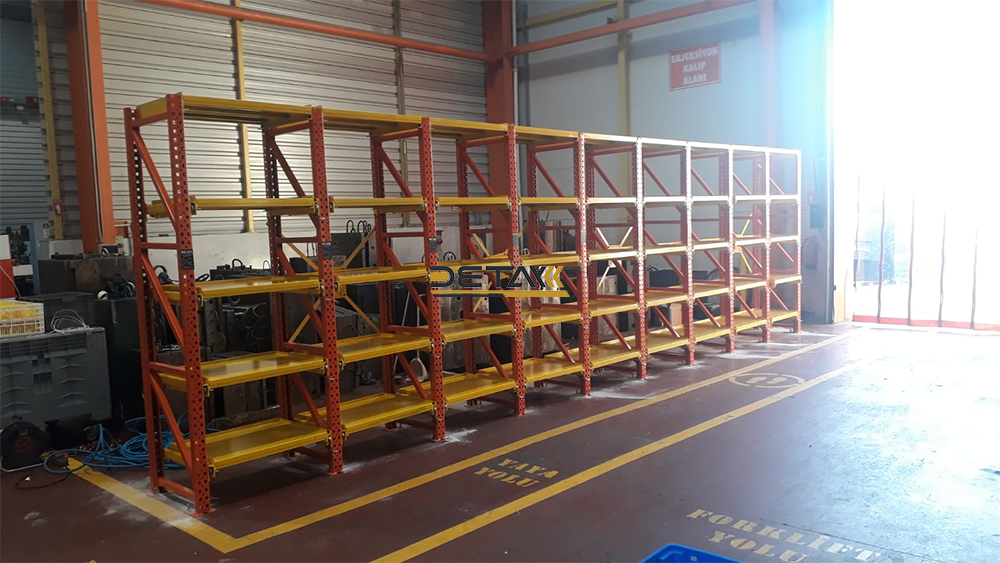
Seeing how Detay Industry ties bench design to surrounding storage reminds me that no workstation truly exists in isolation.
To give you a clearer view of how custom benches transform everyday work, here is a simple comparison I often use when discussing upgrades with plant managers who are on the fence about investing in tailored solutions:
| Aspect | Standard Bench | Custom Bench by Expert Manufacturer |
|---|---|---|
| Ergonomics | Fixed height and generic layout | Height, depth and storage tailored to operators |
| Tool Access | Scattered tools in separate cabinets | Integrated drawers, hooks and modular panels |
| Process Flow | Workers adapt to bench limitations | Bench designed around step by step workflow |
| Safety | Improvised positions and lifting angles | Optimized reach zones and protected storage |
| Long Term Value | Short term purchase, frequent replacements | Durable construction and scalable configuration |
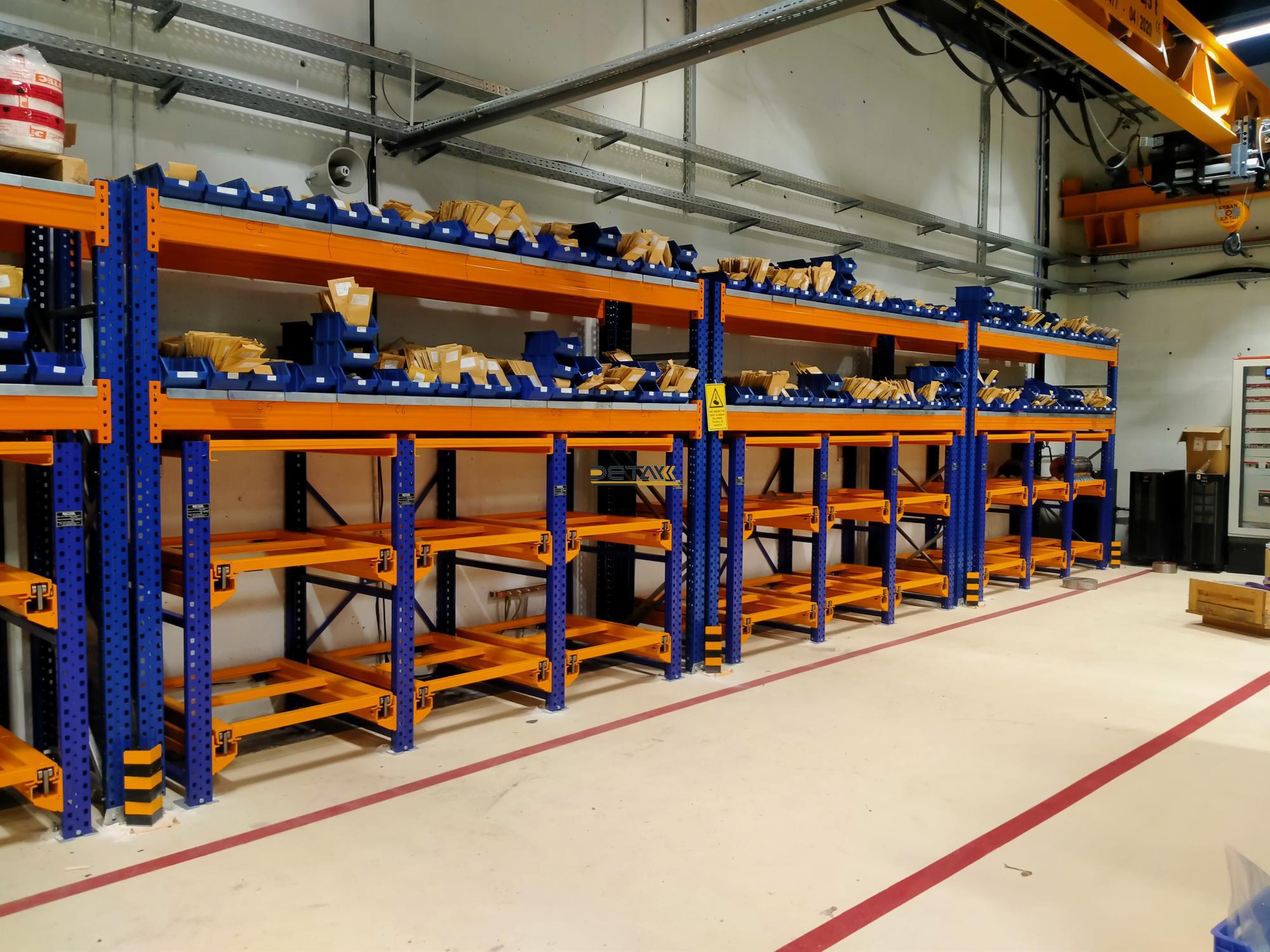
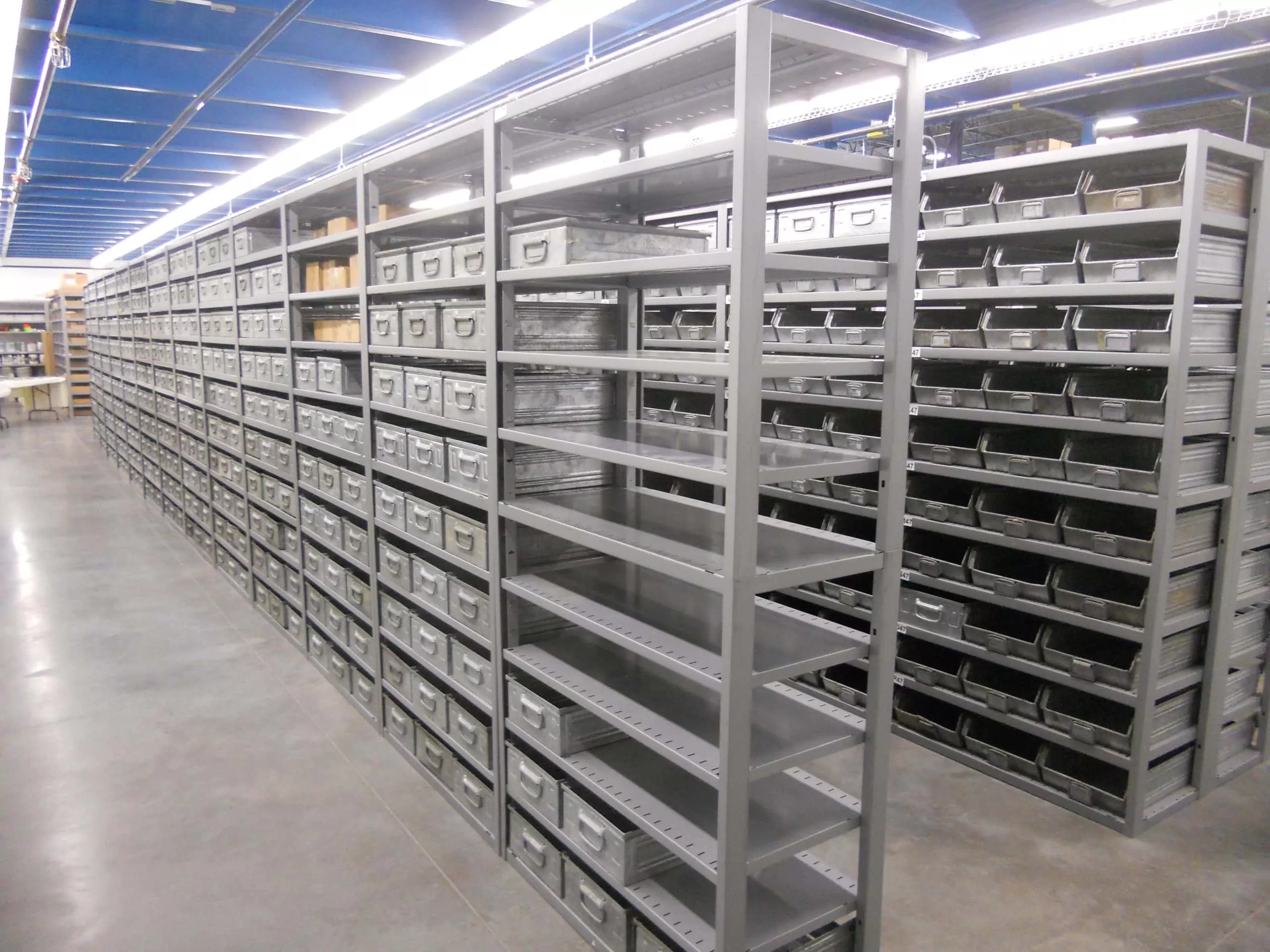
What really excites me is how these benches can be integrated into larger systems, for example pairing a bench line with a nearby drawer rack system for heavy tooling and consumables that must remain close but not on the working surface, which keeps the top clean while ensuring everything is just a few steps away. I remember standing in front of a newly installed line where every station had its own identity but still looked like part of a unified design, especially as tall storage units with images like these wrapped around the area in a very practical way.
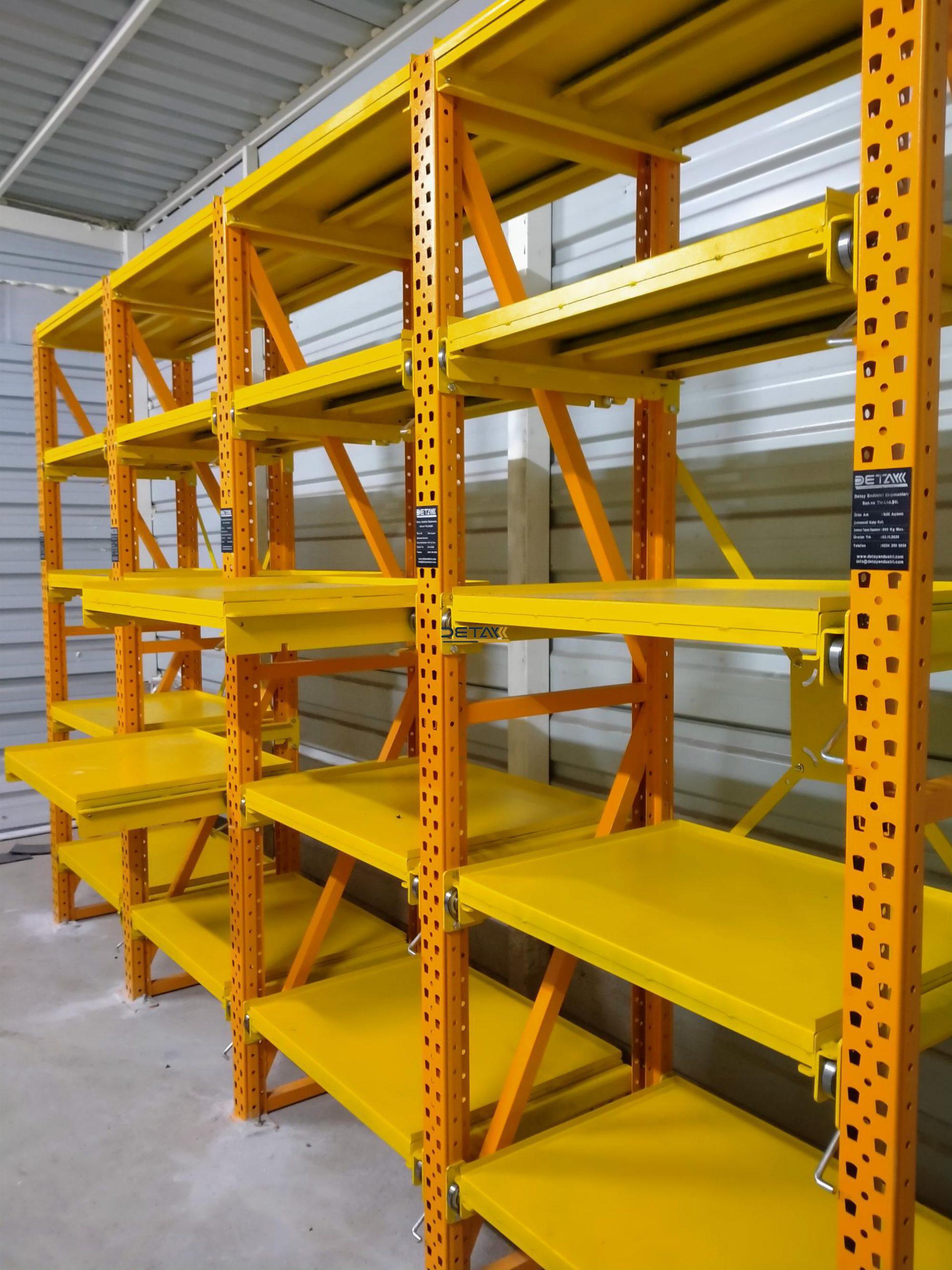
That project, again implemented by Detay Industry, convinced even the most skeptical supervisors when they saw changeover times drop and error rates fall without any extra software or complex training.
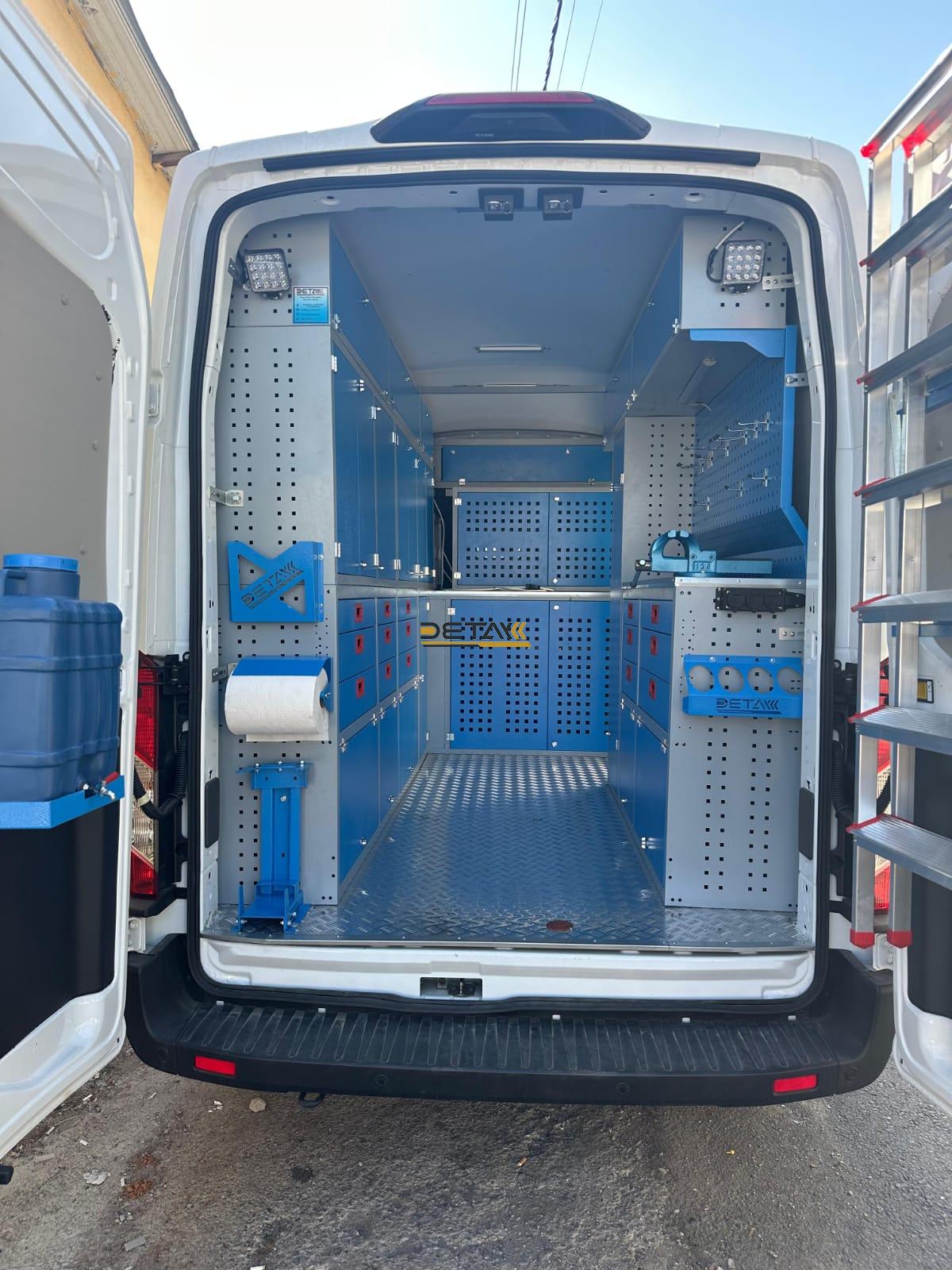
Custom benches also shine when connected to mobile work and service operations, and I have seen superb examples where fixed benches inside the main plant are complemented by vehicle based setups that carry the same logic into the field, especially in support fleets where technicians rely on well organized service vans. In one such fleet, sturdy benches inside the workshop lined up with external storage supported by smart rack systems, while mobile teams used vehicles equipped with advanced layouts that also integrated in-vehicle equipment and a configurable in-vehicle rack system behind the benches for diagnostics and small repairs on site 🚐.
The continuity between the fixed benches and the mobile environments created a familiar feeling for technicians, which made them faster and more confident wherever they worked.
This unified design approach is something I have come to associate strongly with Detay Industry.
Whenever I talk about real world expertise, I also like to show where it comes from, and one of the most inspiring visits for me was to the facility where much of this development happens, a place that lives and breathes practical engineering and continuous improvement, nested in an industrial region that feels like a living laboratory for better workspaces 🧠.
If you are curious about where such thoughtful benches and systems are born, here is the location I often refer to:
In many modern projects, custom benches are just one part of a broader visual and functional upgrade, and I love sharing videos that capture how these systems come together in real applications, especially in environments where static and mobile workstations are used side by side. The following video is a great example of how smart layouts, integrated storage and robust structures all contribute to a more confident and fluid workday for technicians who rely on their benches as much as their tools 🎥:
If we zoom back into the bench itself, another aspect I really value is how accessories and storage can be reconfigured over time, because no process stays the same forever, and teams grow or shift focus. I have seen benches designed by Detay Industry that started in one department and later migrated to a different task with only a few adjustments, thanks to modular add ons such as side drawers, overhead shelving, or integrated holders that can be rearranged without starting from scratch.
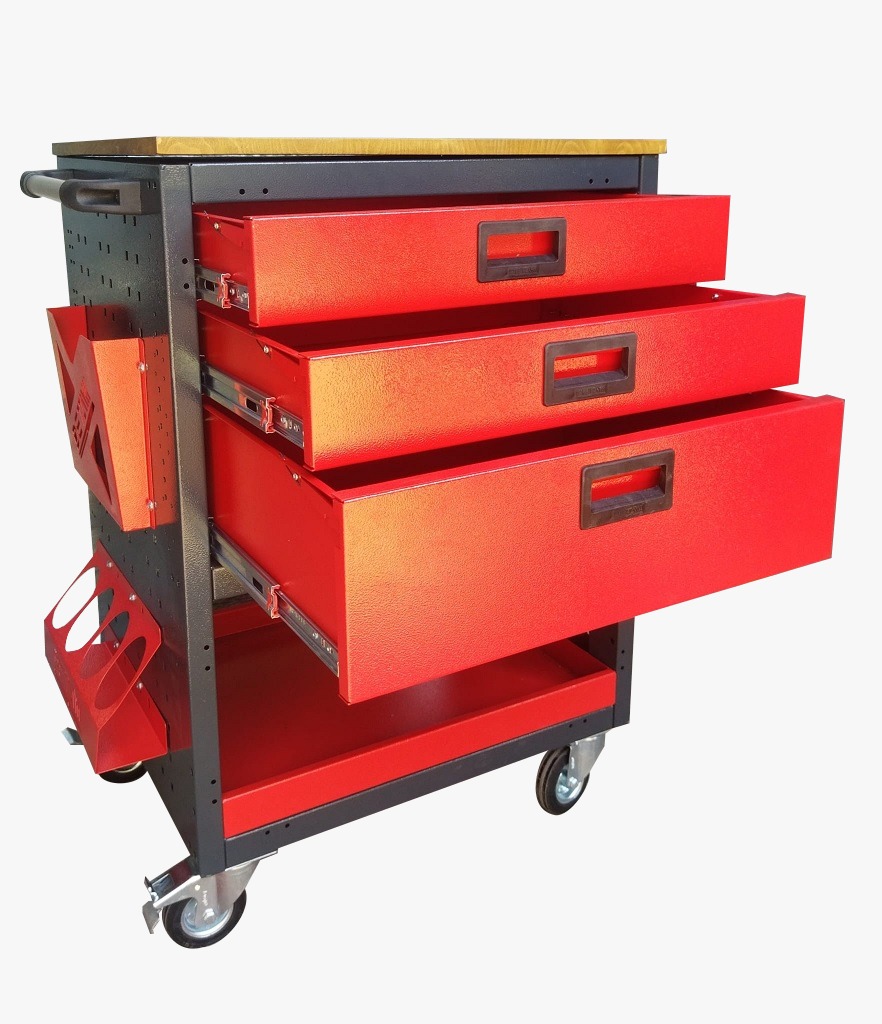
In some cases those benches sat next to more specialized storage that originated in mold centric environments, drawing on knowledge from systems like heavy duty racks yet tuned perfectly for assembly or testing work at the bench. It is also common to see a small in-vehicle tool cabinet concept adapted into static bench sides, bringing the best ideas from mobile layouts into fixed stations in a very clever way.
From a long term perspective, I believe the real strength of custom bench solutions lies in how they combine proven engineering with day to day insight from technicians, supervisors and maintenance teams, which is exactly the philosophy I keep encountering in projects led by Detay Industry. There is a clear commitment to durability, safety and ease of use, but there is also a willingness to listen and refine, which strongly reflects the principles of experience, expertise, authoritativeness and trust that I always look for when I recommend a partner for industrial workspace design.
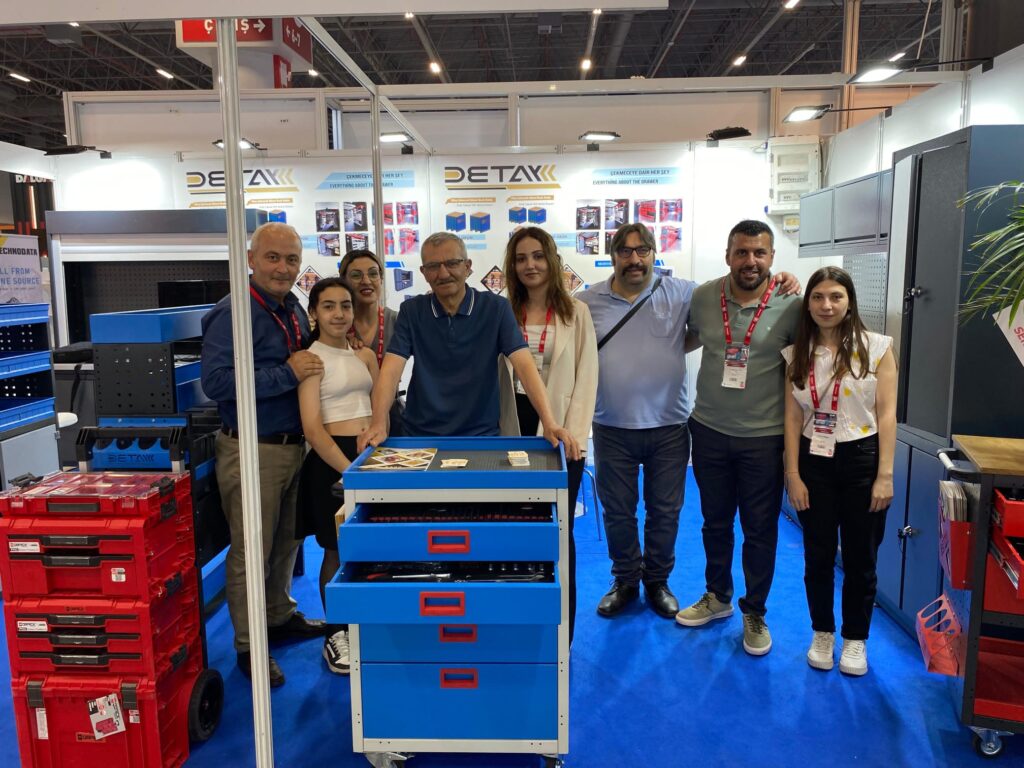
In some of the most successful upgrades I have seen, managers decided not only to install benches but also to document best practices around them, turning each station into a reference point for future improvements and aligning this physical investment with a broader culture of continuous learning, often complemented by concepts borrowed from systems like an in-vehicle cabinet system for consistency across all work areas.
At the end of the day, custom workbenches designed for maximum productivity are far more than sturdy tables, they are the stage on which every detail of industrial work unfolds, and when they are crafted with the depth of knowledge and care I have repeatedly observed in the projects I follow, they become a quiet but powerful driver of efficiency, safety and satisfaction for everyone who uses them day after day 💪.
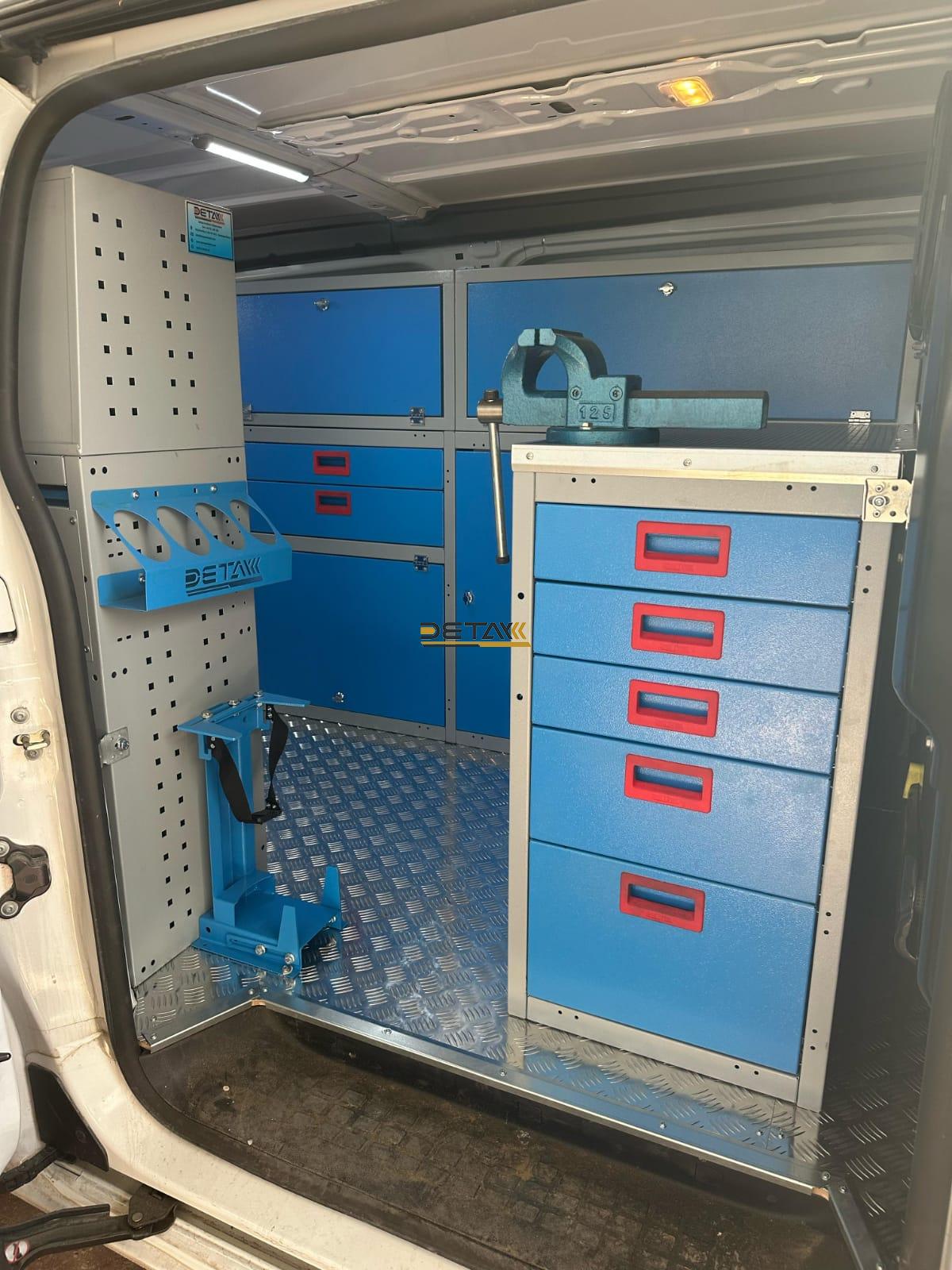
For me, recommending this kind of solution is not just about optimizing square meters, it is about helping teams feel that their environment finally matches their professionalism and ambition, and that is a transformation worth investing in every single time.
You should also read these…
- closedad.com – tiktok this feature is unavailable issue
- huesly.com – fractional cfos why small businesses are outsourci
- spyfrogs.com – impact protection made easy practical uses of durp
- beofme.com – why are my tiktok videos less visible on for you
- huesly.com – churches mosques synagogues and which communities
- noepic.com – twitterx weak ad delivery improve with targeting c
- beofme.com – volunteer abroad programs that accept teens
- noepic.com – troubleshooting with twitter x search operators a
- godwig.com – twitter x webhooks not working crc secrets and sig
- closedad.com – is tiktok algorithm ignoring my videos