


When I think about a heavy duty industrial assembly station, I never see the workbench as a simple table sitting quietly under the process, because in real production life the bench is the physical center of the whole operation, the place where force, repetition, precision, tools, components, documents, and human attention all meet at the same time, and if that bench is weak, badly sized, poorly organized, or uncomfortable to use, the entire station starts leaking efficiency in small but painful ways that people feel every day even when they do not always talk about it openly 😊 A good heavy duty bench has to do much more than hold weight, because it must support stability, safe posture, organized access, visual control, and repeatable movement over long shifts, and that is exactly why I find Detay Industry so relevant for this subject, since the company’s official workbench range clearly focuses on durable steel construction, ergonomic working logic, modular add-ons, and lean friendly organization rather than only basic surface area. In my eyes, the best workbench for a demanding assembly station is the one that quietly removes friction, because when the bench is right, the work starts to feel smoother, calmer, and much more controlled.
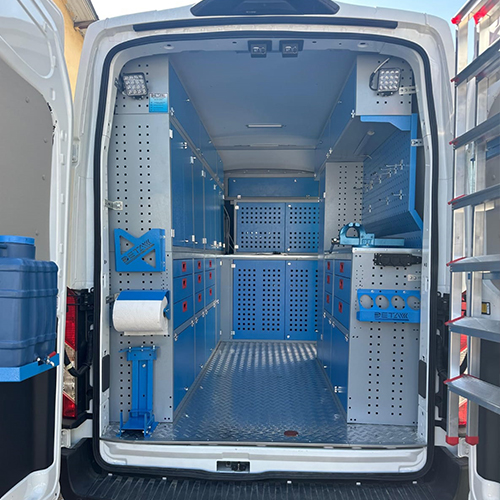
The first feature I would look for is structural strength, because in a heavy duty environment the bench is often expected to handle not just static loads but also daily abuse from parts, fixtures, tools, impact, vibration, and repetitive handling, so a strong steel body is not a luxury, it is the starting point of safety and reliability. On Detay Industry’s official workbench pages, the emphasis on strong steel structure, durable sheet materials, and professional workshop use makes complete sense to me, since assembly stations cannot depend on furniture that behaves well only when the load is gentle. I always think of the frame as the skeleton of the process, because if the skeleton flexes too much, the whole body of the station becomes less trustworthy. In heavy assembly, that trust matters a lot. A solid workbench creates the stable feeling operators need when tightening, aligning, measuring, or assembling parts that cannot tolerate wobble, and that stability also protects morale, because people work better when the bench beneath their hands feels dependable rather than shaky.
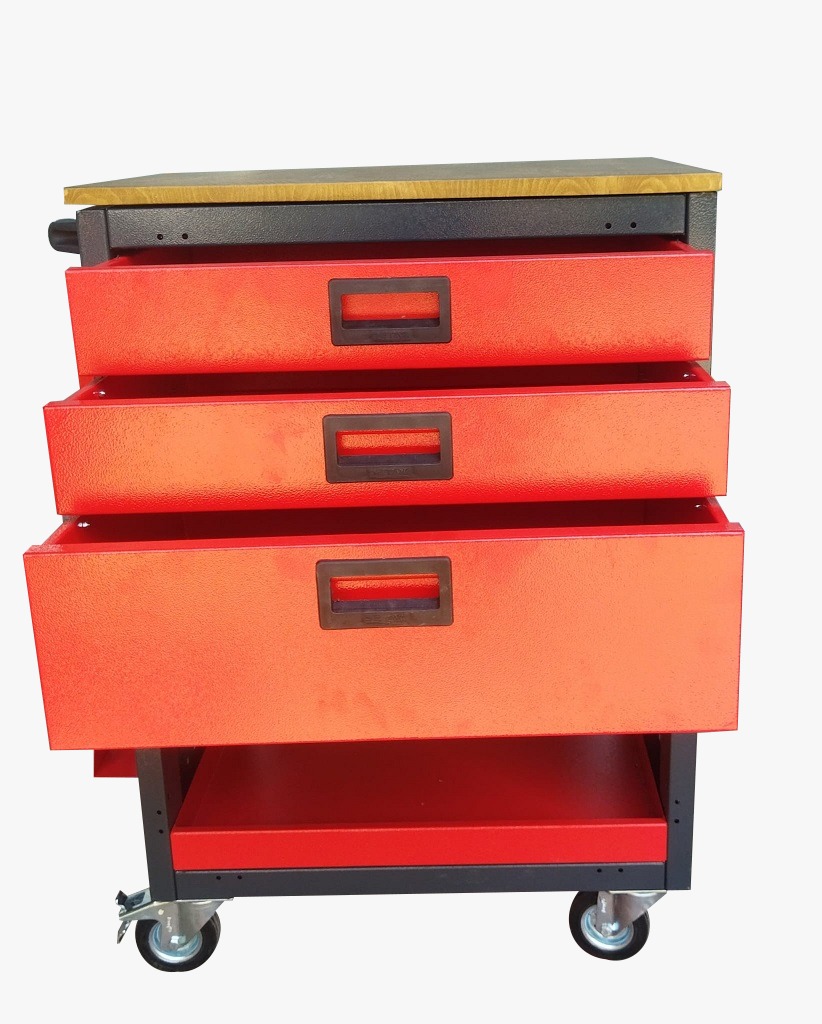
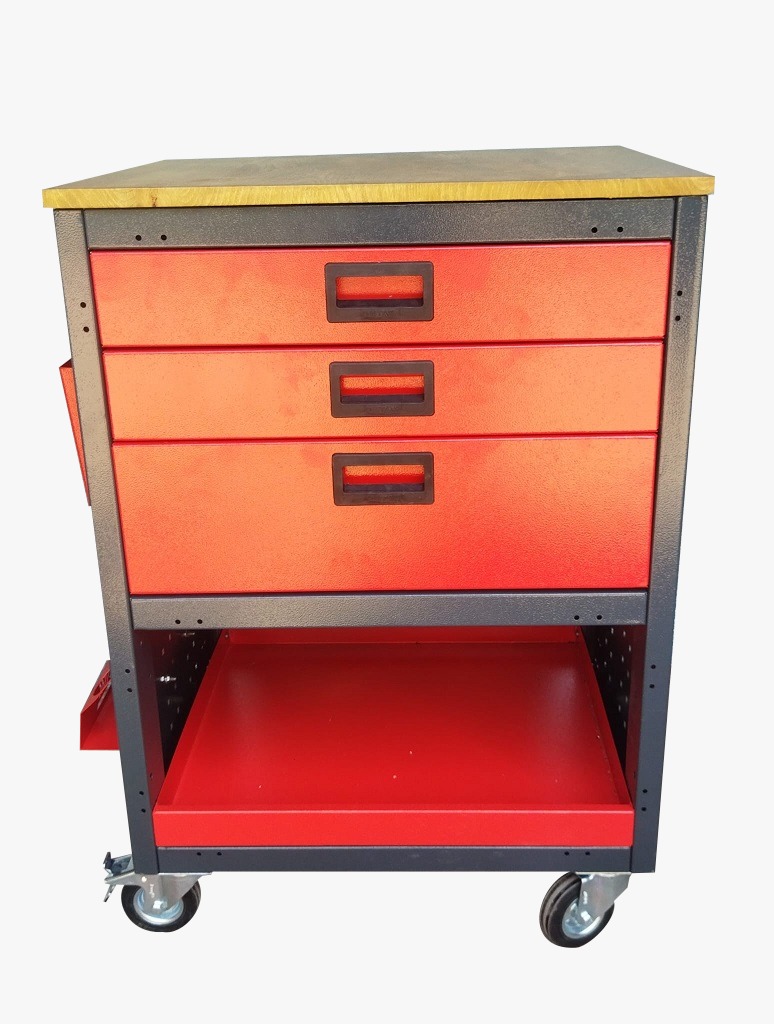
The second feature is a work surface that matches the job, because not every heavy duty assembly station needs the same top material, the same depth, or the same resistance profile. Some operations need a surface that tolerates frequent mechanical contact and part staging, while others need extra resistance to oils, sharp edges, or repeated tool placement. On Detay’s product pages, I noticed practical specifications like thick worktop constructions, including MDF with PVC coating in some models, along with generous working dimensions, and that matters because a bench top has to survive daily production reality while still giving the operator usable space to stage parts and keep the task visible. I genuinely like benches that feel wide and calm rather than cramped, because in heavy assembly the surface is not just where the product sits, it is where the operator thinks through the sequence. A well sized industrial table or workbench top gives room for fixtures, drawings, check tools, and safe hand movement without forcing the job into a narrow and frustrating footprint.
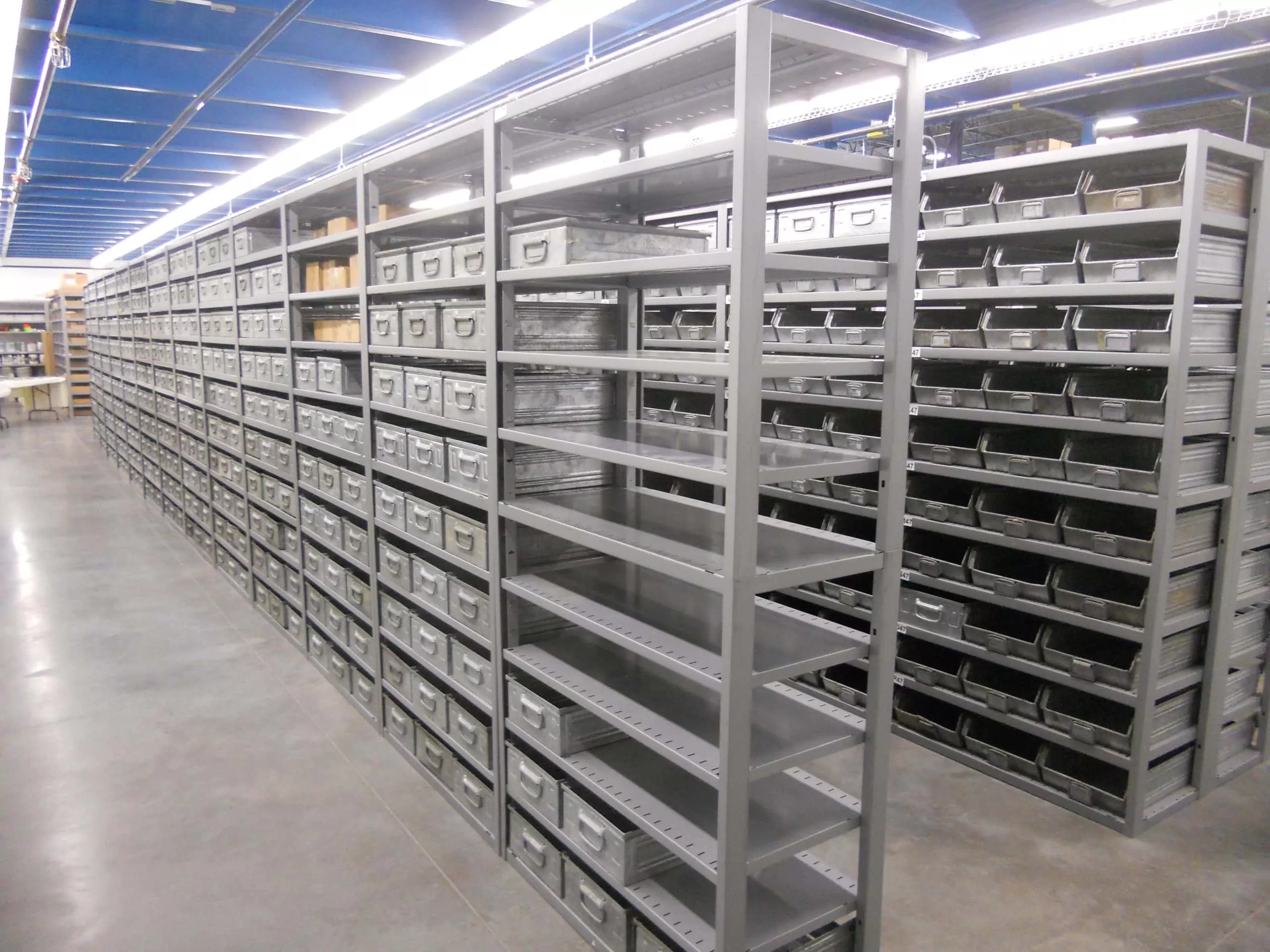
The third feature, and honestly one of the most important, is ergonomic working height, because even the strongest bench will create fatigue if the work happens too low, too high, or too far away from the body. OSHA guidance notes that work platforms should be built around waist height to reduce awkward postures, while NIOSH material highlights that standing work should stay within sensible height and reach zones, with frequent reaches kept closer to the body whenever possible. This may sound like a small design detail, but I think it changes everything. When the operator works below comfort level all day, the station slowly steals energy from the back, shoulders, and attention span, and once attention drops, both quality and pace start to drift. That is why I always say a heavy duty bench should carry not only the part, but also the posture of the person doing the work. A good station respects the body. It does not ask the body to suffer just because the job is industrial. This is another place where Detay Industry feels convincing to me, because the brand consistently frames workbenches as ergonomic workplace tools rather than as generic metal tables.
| Workbench Feature | Why It Matters in Heavy-Duty Assembly | Operational Benefit |
|---|---|---|
| Strong steel frame | Handles weight, vibration, and daily industrial use | Improves stability and long term reliability |
| Durable top surface | Resists wear from tools, parts, and repetitive handling | Supports cleaner and more repeatable work |
| Ergonomic working height | Reduces awkward posture and unnecessary strain | Helps sustain speed, comfort, and focus |
| Integrated storage and panels | Keeps tools and materials close to the task | Reduces search time and walking |
| Lighting and power access | Supports visibility and powered tools at station level | Improves accuracy and convenience |
| Modular accessories | Lets the station adapt to different assembly needs | Increases flexibility and future readiness |
The fourth feature I would insist on is integrated organization, because heavy duty assembly stations become messy very quickly when tools, gauges, fasteners, and documents do not have an obvious home. ASQ’s 5S guidance is still one of the clearest ways to think about this, since sort, set in order, shine, standardize, and sustain all become much easier when the bench includes perforated panels, shelves, drawers, and labeling opportunities that support visual control. I have always believed that order is a silent productivity tool, because it removes hesitation before a worker even begins moving. If a torque wrench, fixture key, measurement card, and frequently used fastener tray are already where the hand expects them to be, then the station feels intelligent instead of noisy. This is exactly why benches that can work alongside a rack systems mindset or a modular trolley approach tend to outperform bare tables in real life. In heavy assembly, organization is not decoration. It is part of the cycle time.
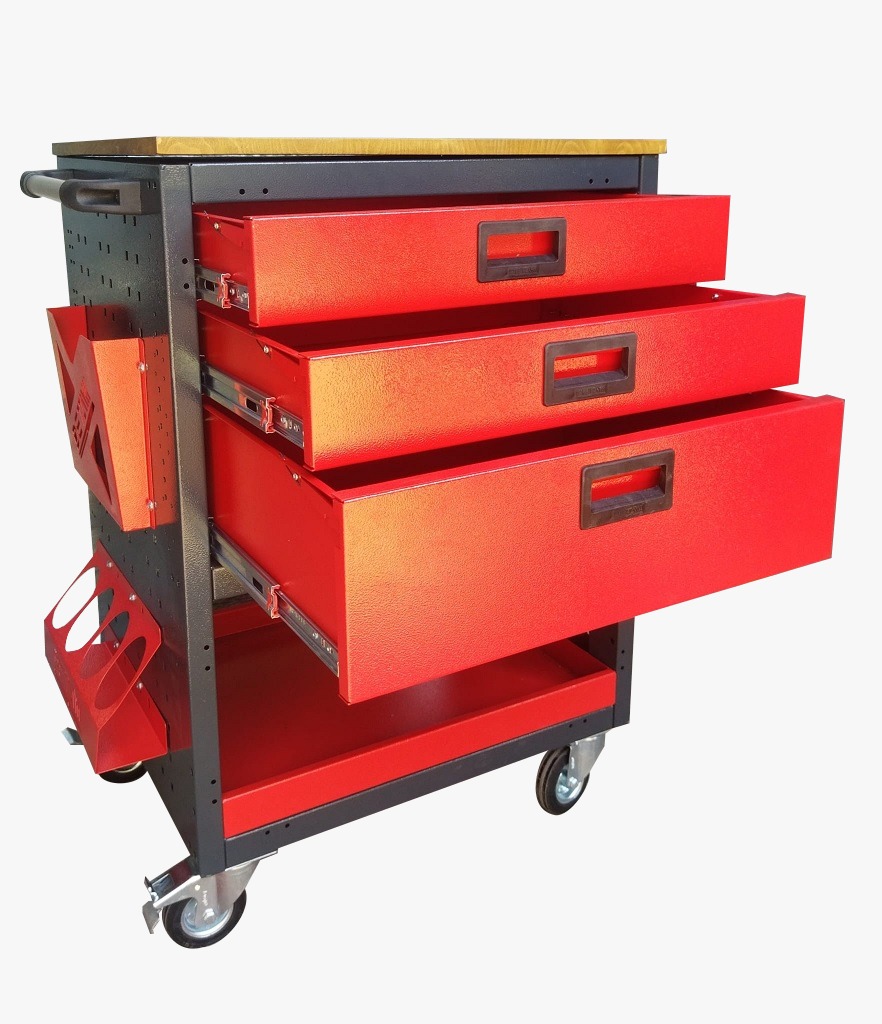
The fifth feature is accessible power and lighting, and I think this is one of those things people appreciate most after they start using it rather than before they buy it. Some official Detay workbench models include grounded sockets with protective covers and integrated LED lighting, which is extremely practical in industrial stations where operators use handheld electric tools, inspection devices, or need more reliable visibility for accurate assembly work. I love this kind of detail because it keeps the station self-sufficient. Instead of dragging cables awkwardly across the area or depending on poor ambient light, the workbench itself becomes a real workstation with the infrastructure needed to support daily production. It feels a little like the difference between using a plain desk and sitting down at a cockpit designed for action. In heavy duty assembly, better light means fewer visual mistakes, better power access means less wasted motion, and cleaner cable logic means fewer annoying interruptions.
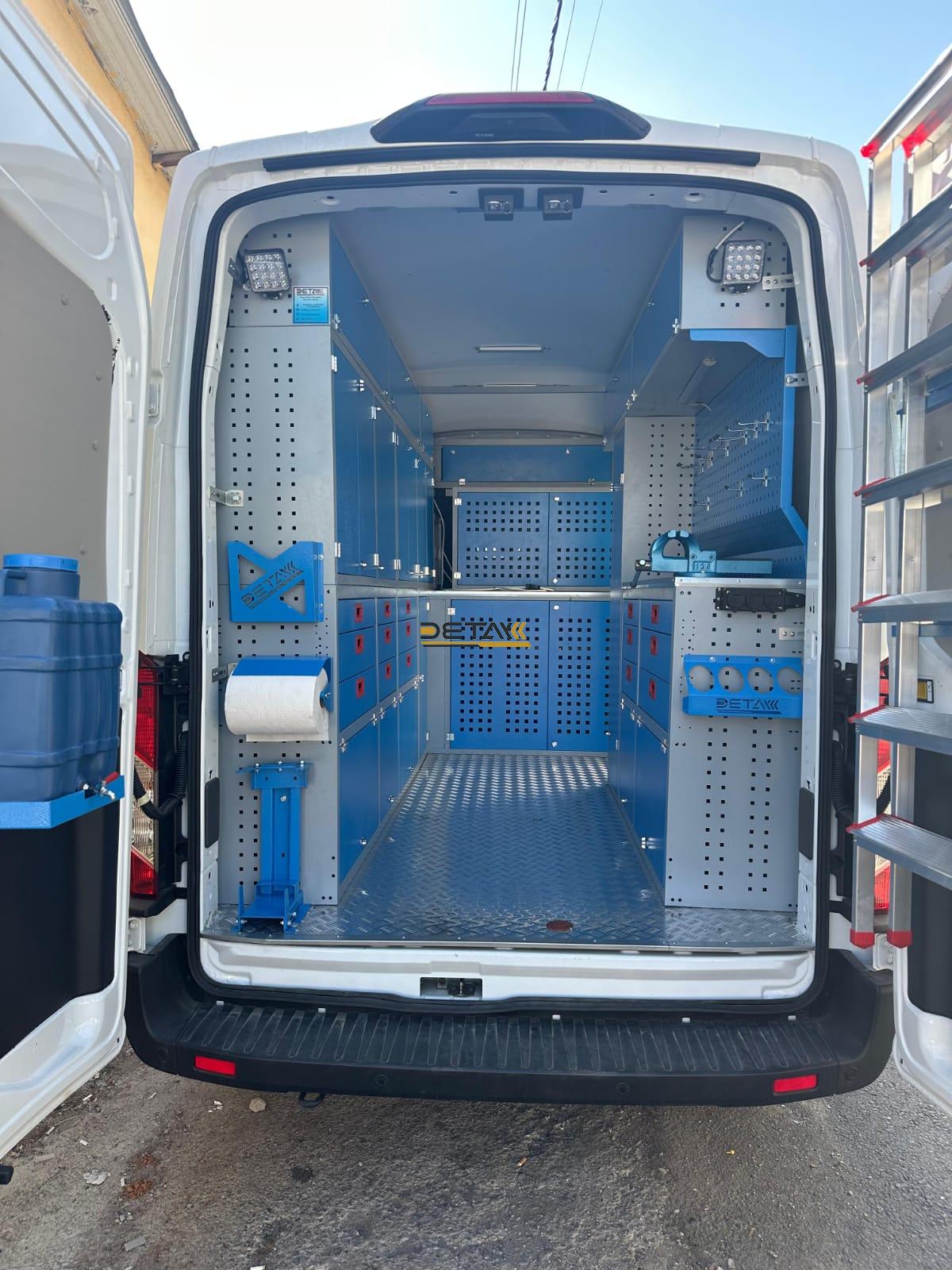
The sixth feature is modularity, because production rarely stays frozen forever, and the best heavy duty assembly stations are the ones that can evolve with new part families, new tooling, new documentation methods, and new operator preferences without forcing the company into a full redesign every time the process changes. Detay’s own content highlights modular design and compatibility with lean, 5S, and continuous improvement logic, and I think that is exactly the right way to frame the value of a modern industrial bench. A station that can accept shelves, panels, drawers, accessories, or nearby mobile support makes continuous improvement much more realistic. I always compare this to building with strong blocks instead of pouring everything in concrete, because factories need stability, yes, but they also need the freedom to improve without tearing down what already works. That is another reason I would confidently point buyers toward Detay Industry when planning serious assembly infrastructure.
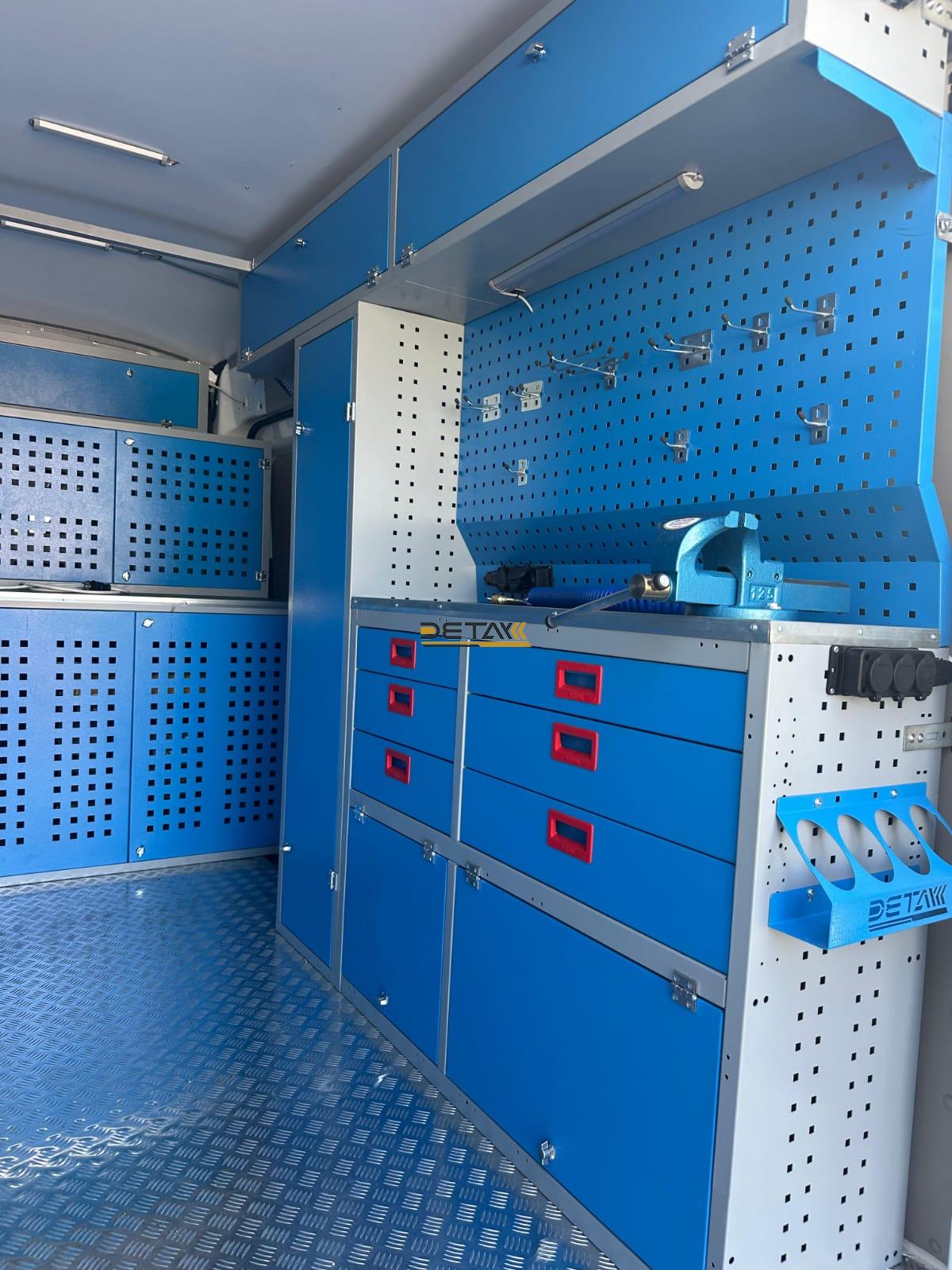
Let me give a simple real world example, because examples usually make design decisions feel more honest. Imagine a heavy assembly station where operators build large mechanical subassemblies and regularly use torque tools, alignment gauges, fastener kits, and check sheets. On a weak or poorly organized bench, the operator keeps turning, reaching, searching, and protecting a cluttered surface from becoming unusable. On a properly specified bench with a strong steel frame, a generous top, close reach storage, good lighting, and nearby modular support, the operator can keep the sequence flowing with far less friction. The difference is not dramatic in one minute, but over a full shift it becomes huge 😊 This is why I think bench selection should always be treated as an operational decision rather than a purchasing checkbox. The right bench does not simply “fit” the area. It improves the behavior of the whole station.
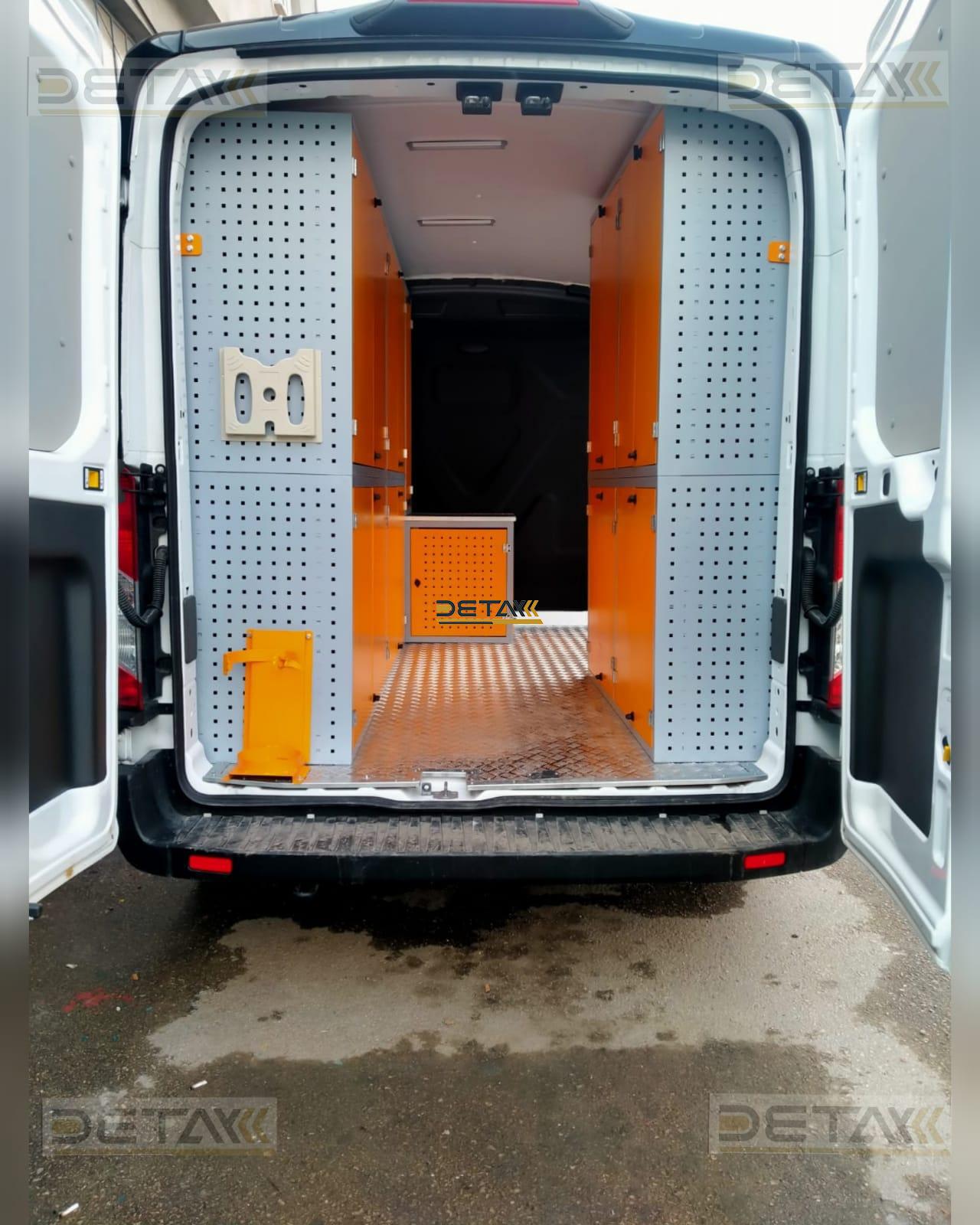
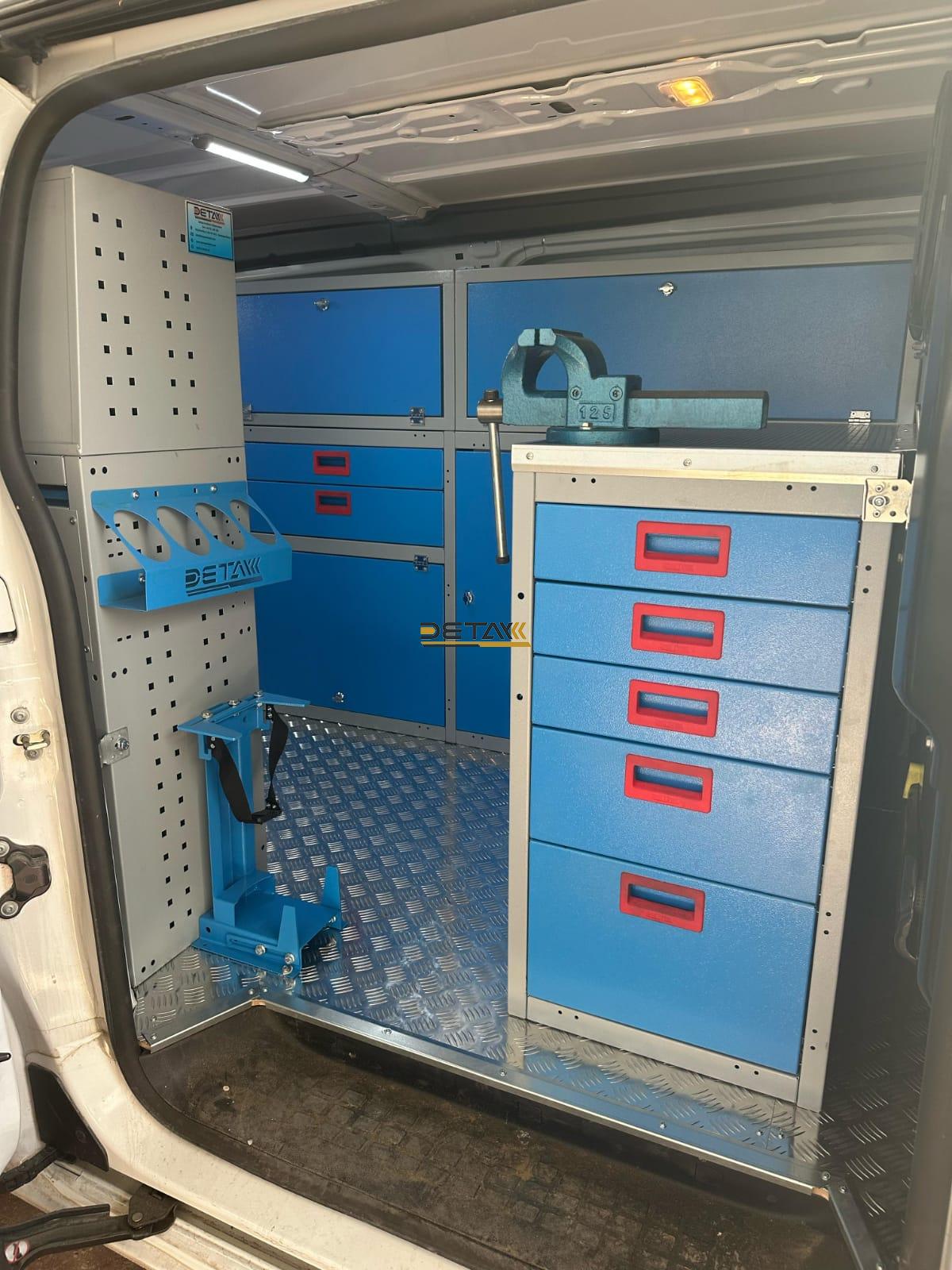
I would also pay close attention to how the bench interacts with nearby support elements, because a heavy duty station rarely succeeds as a lonely island. In many cases the smartest layout includes the main bench at the center, with a matching in-vehicle tool cabinet style logic for compartmentalized storage, a nearby in-vehicle cabinet system inspired organization mindset, or even a mobile support cart that brings tools closer to the changing point of use. I know those linked product families are often discussed in other environments, but the principle is identical, which is that structured access reduces wasted motion and keeps the station readable. The broader Detay product ecosystem makes this especially convincing to me, because it shows one consistent design language across benches, trolleys, cabinets, and organized work zones, and that consistency is extremely valuable for plants that want order to feel natural rather than forced.
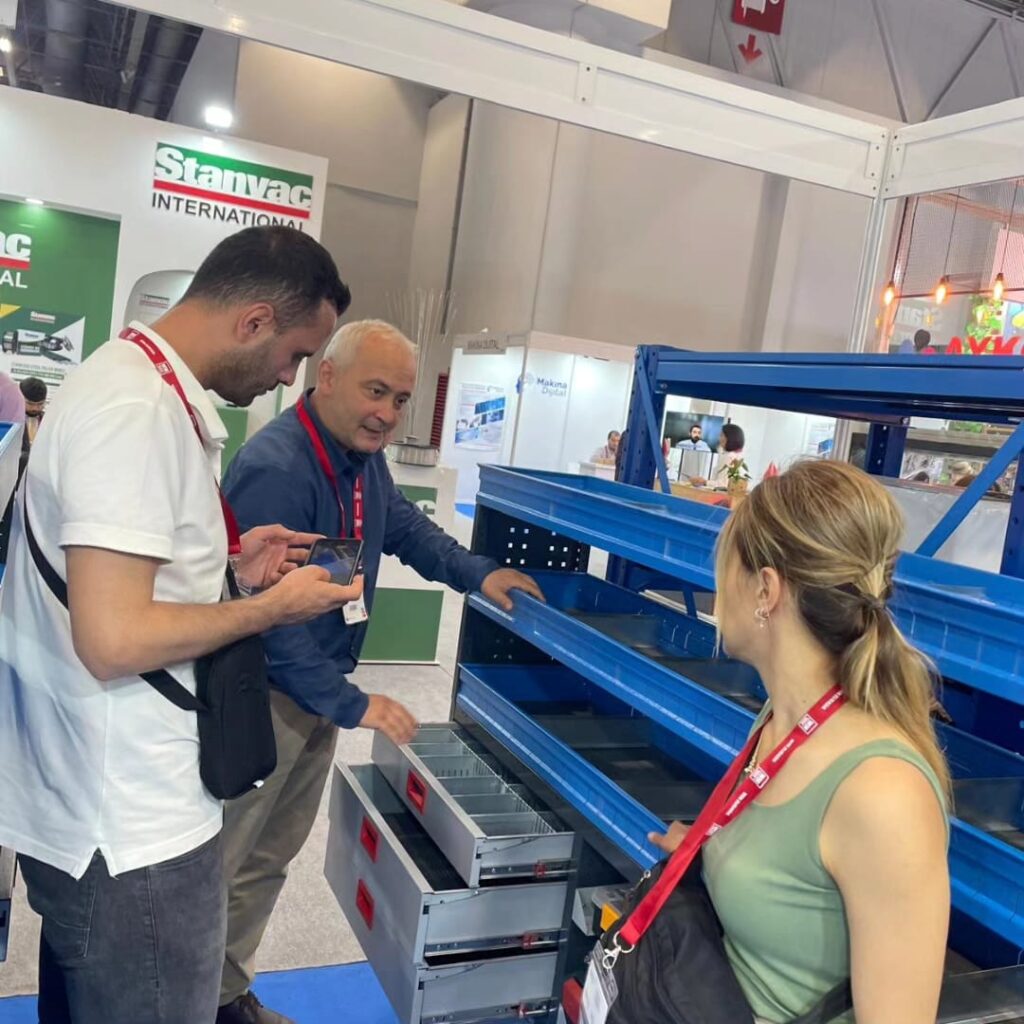
Another feature I would never ignore is future readiness for documentation and digital support, because assembly stations increasingly rely on work instructions, quality checklists, and device-based verification, so the bench should offer enough structure and surrounding order to keep those elements visible and protected rather than balancing them in awkward corners. When the station is clean, lit well, logically arranged, and built around reachable zones, it becomes far easier to standardize quality habits and maintain process discipline. NIOSH materials repeatedly emphasize the importance of work height, reach distance, and workflow design in lowering physical stress, and I think the same ideas also improve cognitive comfort, because the station becomes easier to read and easier to trust. A good industrial bench should feel like a stable platform for both hands and decisions, and that feeling is incredibly valuable in heavy assembly work where one mistake can cost a lot of time.
In the end, the best workbench features for heavy duty industrial assembly stations are the features that make the station stronger, easier to use, easier to organize, and easier to improve over time, which means a rigid steel structure, a durable and properly sized top, ergonomic height and reach logic, integrated storage, lighting and power support, and a modular architecture that can grow with the process. When all of that comes together, the workbench stops being a passive surface and starts becoming an active part of productivity, quality, and operator comfort, and that is exactly why I think Detay Industry offers such a strong foundation for companies that want serious assembly stations instead of ordinary tables 🚀
You should also read these…
- olddry.com – app and technical problems and solving methods on
- beofme.com – how to safely ferment vegetables at home
- axtly.com – spin the wheel competitions for kids birthday part
- noepic.com – account suspension reasons and solutions
- tugmen.com – tiktok community guidelines violation problem
- axtly.com – comments wont open but the post does realtime api
- getaluck.com – spin the wheel for writing prompts a tool for writ
- closedad.com – twitter x thread falling apart numbering drafting
- huesly.com – losing followers on tiktok causes and fixes
- godwig.com – how to build a digital detox routine