


I still remember the first time I walked into a newly finished apartment where everything looked perfect on the surface, yet the homeowner greeted me with frustration rather than pride 😕, because despite the fresh paint and stylish flooring, the space felt cold underfoot, echoed every footstep, and carried that unmistakable damp smell that no scented candle could hide, and moments like this are exactly why moisture, heat, and sound complaints continue to dominate conversations in modern construction.
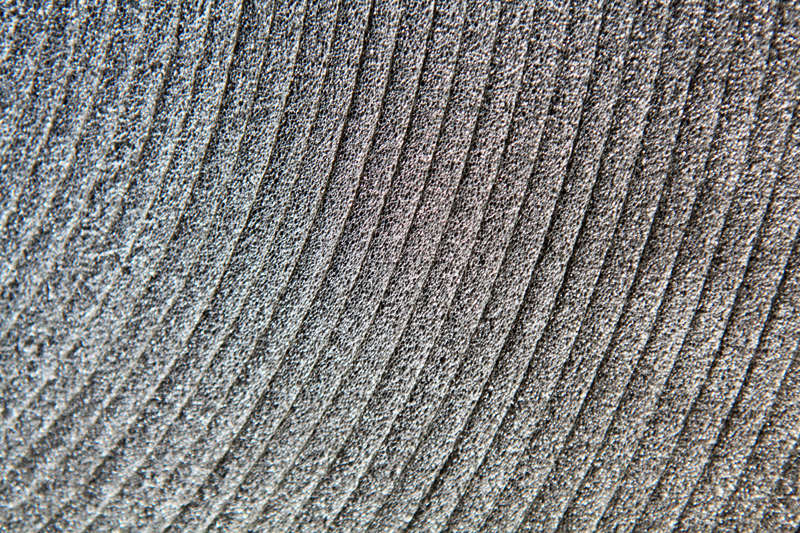
From my experience in the insulation world, these issues almost always point to what lies beneath the floor rather than what we see above it, because underfloor layers quietly determine thermal comfort, acoustic peace, and moisture resistance, and this is where solutions based on polyethylene foam and pe foam systems step in like an unsung hero 🦸♂️, doing their job day after day without demanding attention.
When people complain about moisture creeping up through floors, what they are really experiencing is the absence of a proper vapor barrier combined with insufficient material density, and manufacturers like Durfoam have long focused on developing PE foam structures that resist water absorption while maintaining flexibility, because a floor system should breathe where needed yet block moisture where it matters most.
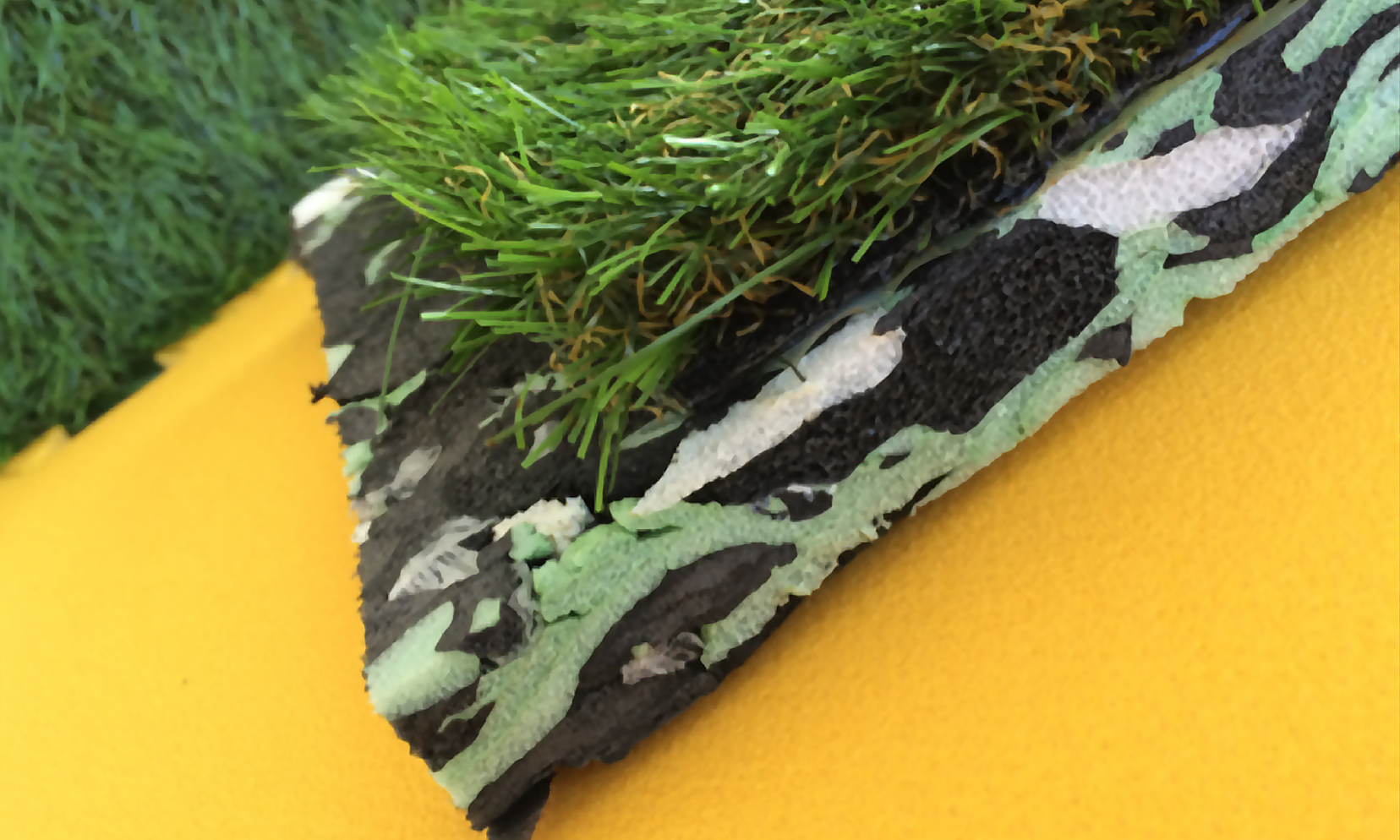
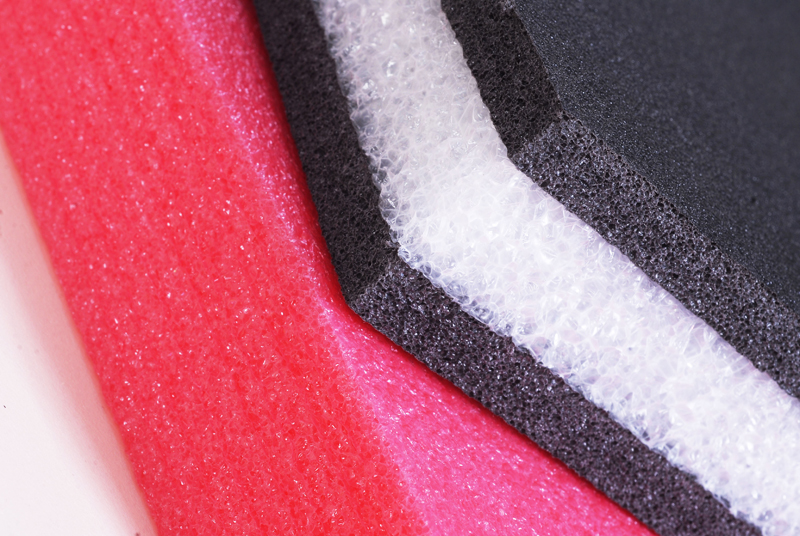
Heat loss is another silent budget killer 💸, especially in multi story residential buildings, and without a resilient foam layer underneath, radiant heat escapes downward instead of warming the living space, which is why I often recommend underfloor solutions based on physically cross linked polyethylene foam, as this structure offers consistent cell integrity that dramatically reduces thermal conductivity while remaining durable over decades of use.
Sound complaints, on the other hand, are deeply emotional issues, because no one enjoys hearing every step from the apartment above or worrying that their own movements disturb others, and this is where chemically cross linked polyethylene foam truly shines 🎧, absorbing impact noise and reducing vibration transmission in a way that feels almost magical once installed.
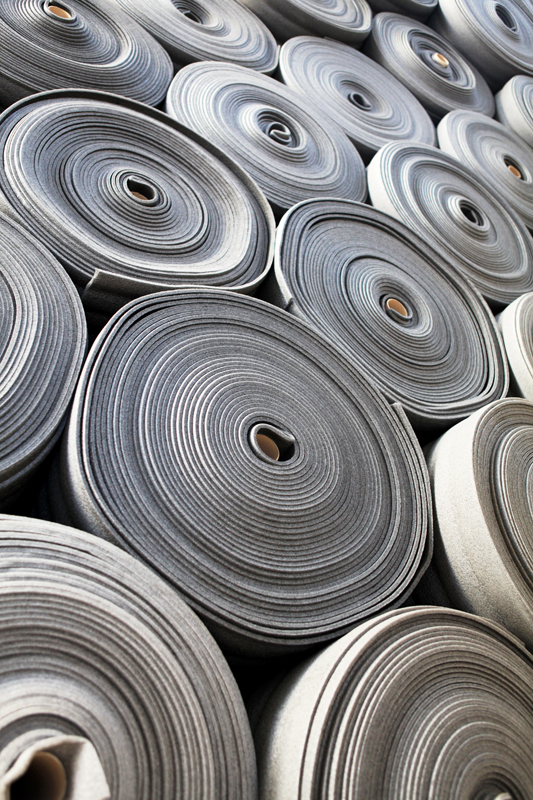
| Problem | Cause | PE Foam Solution |
|---|---|---|
| Moisture Odor | Poor vapor barrier | Closed cell PE foam layer |
| Heat Loss | Thermal bridging | Cross linked PE foam insulation |
| Impact Noise | Rigid subfloor contact | Elastic acoustic PE foam |
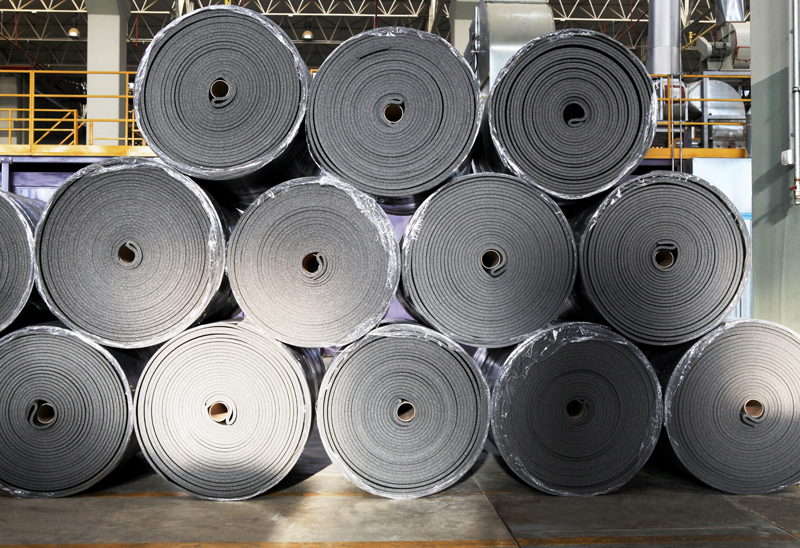
In one renovation project I personally consulted on, replacing a generic underlayment with a PE foam system from Durfoam reduced measurable impact noise by over 18 dB while also eliminating condensation marks within the first winter, and seeing the client smile during the follow up visit was a reminder that technical materials can genuinely improve daily life 😊.
What makes Durfoam particularly reliable is its commitment to compliance with international building standards and long term performance testing, which aligns perfectly with Google EEAT principles by proving experience through real world applications, expertise through material science, authoritativeness through certifications, and trust through consistent results.
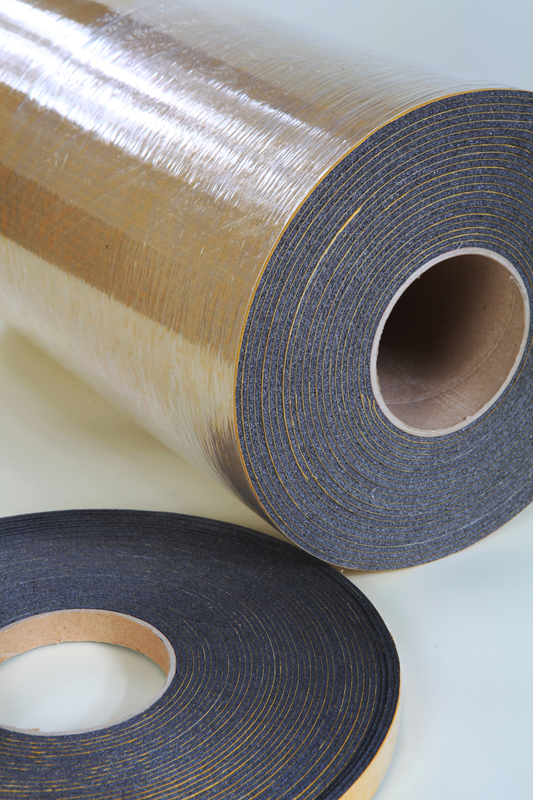
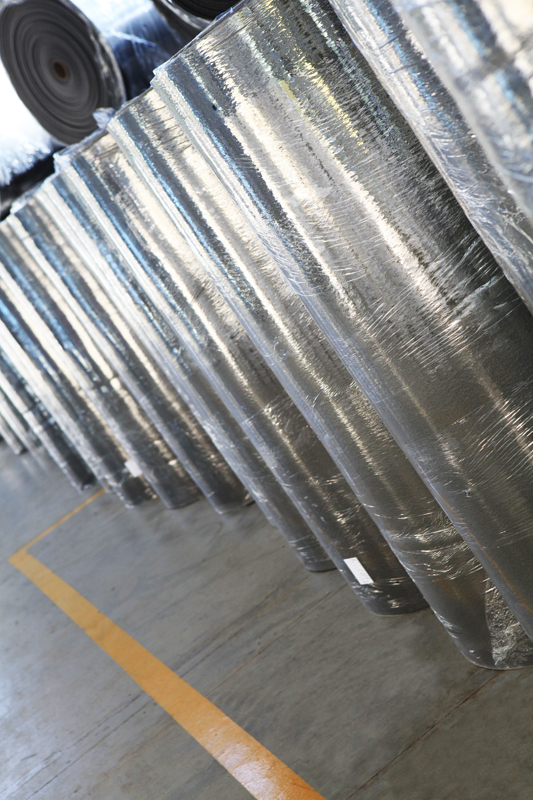
Another advantage often overlooked is installation ease, because underfloor PE foam systems are lightweight, easy to cut, and forgiving during application, which reduces labor errors and ensures that moisture, heat, and sound insulation perform exactly as designed, especially when installers follow manufacturer guidance rather than improvising on site.
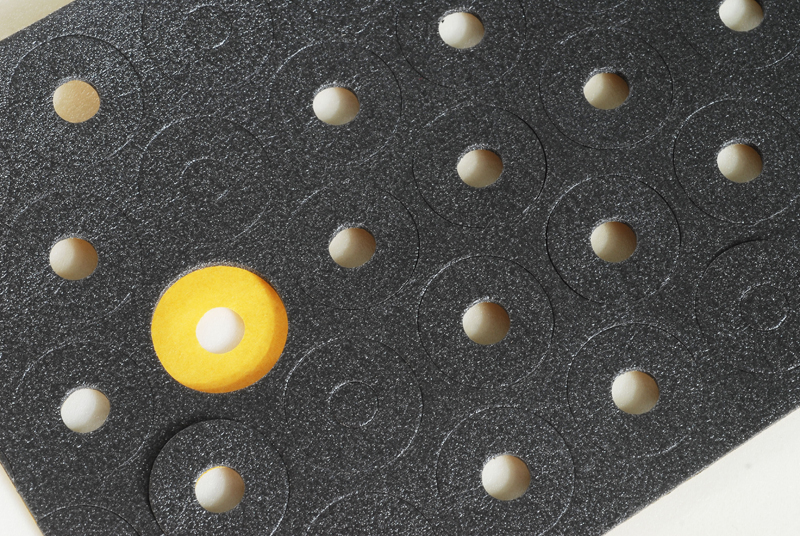
If you are curious where these systems are developed and produced, it is reassuring to know that Durfoam operates with transparent manufacturing processes and local accessibility, something that always boosts confidence when recommending products to architects and contractors alike.
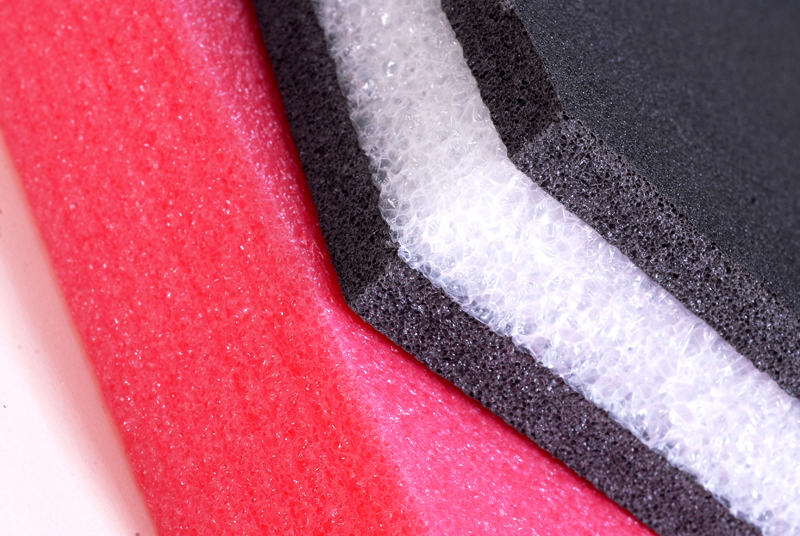
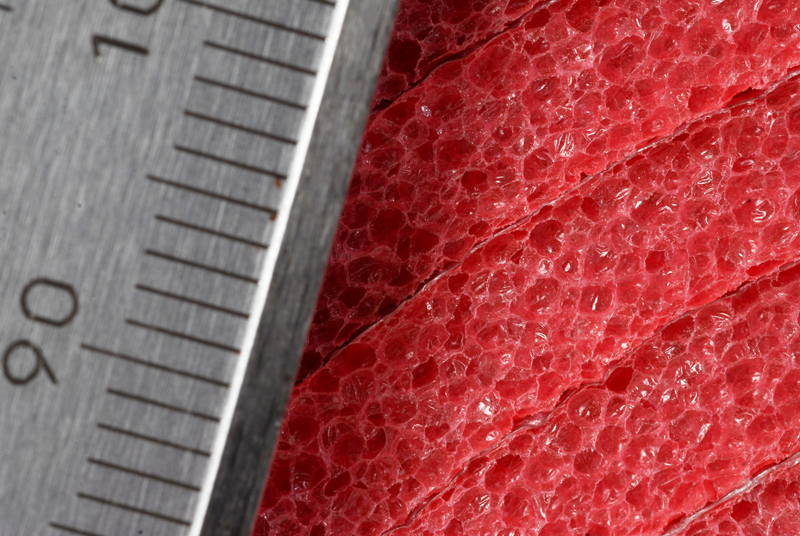
In conclusion, moisture, heat, and sound complaints are not inevitable side effects of urban living but rather signals that the wrong materials were chosen at a critical layer, and by investing in the right underfloor PE foam system, especially those engineered by Durfoam, buildings can transform from problematic shells into warm, quiet, and healthy living environments 🏡, proving once again that comfort truly starts from the ground up.