


When I think about industrial packaging, I do not imagine only a foam sheet, a carton, or a protective separator, because the real value appears when the material can adapt to the production line, the product shape, the assembly method, the storage condition, and the customer expectation at the same time 😊. In today’s manufacturing world, flexibility is almost like oxygen for factories, because one day the line may need a soft protective pad for electronic parts, the next day it may need a laminated foam insert for a white goods component, and the day after that it may need a double sided adhesive foam piece that can be placed quickly without extra glue, waiting time, or messy manual work. This is exactly where double sided tape and lamination solutions become so valuable in industrial packaging, because they turn polyethylene foam from a simple protective material into a smart, ready to use production component that can cushion, bond, separate, seal, protect, and simplify assembly in one clean workflow.
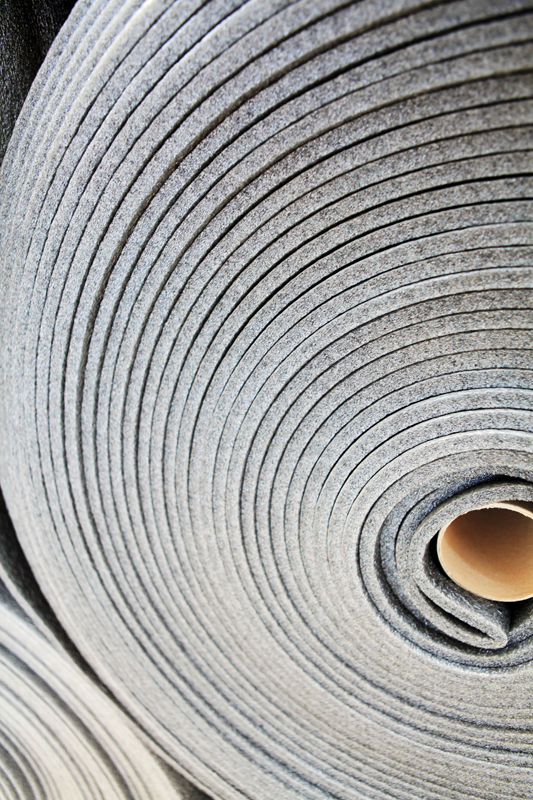
The official solutions information on polyethylene foam lamination and adhesive tape applications explains that lamination can bring together polyethylene foam materials with different characteristics such as size, density, and color, or cover foam with fabric, metallized film, decorative film, paper, and other layers, while adhesive tape application can make foam more practical for direct mounting, sealing, fixing, and industrial use. As a polyethylene foam manufacturer, Durfoam supports this production flexibility by offering foam materials that can be supplied in roll or sheet form and, depending on customer demand, can be produced with one sided or double sided film tape and fabric lamination options, which gives manufacturers the freedom to design packaging parts that arrive closer to their final application form.
Why Production Flexibility Matters in Industrial Packaging
In a busy factory, every second matters, and packaging teams do not want materials that slow the line, create dust, require complicated preparation, or force workers to use separate adhesives during repetitive tasks. A practical packaging material should arrive ready for the workflow, fit the product cleanly, protect the surface, reduce movement inside the box, and help the operator place it with confidence. Double sided tape solutions are very useful here because they allow foam pieces to bond directly to surfaces, cartons, separators, panels, or product areas without extra liquid adhesive, and this can make the packaging process cleaner, faster, and more repeatable. I like to compare it to preparing ingredients before cooking 🍲; when everything is already cut, portioned, and ready, the whole process becomes smoother, calmer, and more reliable.

For companies working with home appliances, electronics, automotive parts, industrial equipment, furniture components, glass products, metal profiles, and export packaging, this flexibility becomes a real business advantage. A pe foam manufacturer can help convert polyethylene foam into rolls, sheets, pads, spacers, inserts, adhesive strips, laminated layers, and custom protective forms, which means the packaging material can be designed around the product instead of forcing the product to adapt to a generic packaging layer. That is important because industrial packaging is not only about preventing breakage; it is also about reducing labor time, improving product presentation, controlling cost, and creating a safer journey from factory to final destination.
| Production Need | Traditional Challenge | Double Sided Tape or Lamination Solution | Practical Benefit |
|---|---|---|---|
| Fast assembly | Operators may need separate glue, waiting time, or manual fixing | Adhesive backed foam can be placed directly onto the required surface | Cleaner workflow and shorter packaging preparation time |
| Surface protection | Products can scratch, rub, or move during transport | Laminated or adhesive foam can create stable contact and separation points | Lower risk of cosmetic damage and fewer customer complaints |
| Custom packaging design | Standard foam sheets may not match every product shape | Foam can be cut, laminated, taped, layered, or converted into special forms | Better fit for different products, sectors, and logistics routes |
| Material performance balance | One layer may not provide all required properties | Lamination can combine foam with film, fabric, paper, or other surfaces | Improved durability, appearance, handling, and functional performance |
How Double Sided Tape Changes the Packaging Workflow
Double sided tape is valuable because it adds controlled adhesion to foam without removing the soft, protective, and cushioning character of the material. In industrial packaging, this means a foam pad can protect a sensitive product surface and also stay exactly where it needs to stay during packing, storage, and transport. Imagine a glossy appliance panel, a painted metal part, or an electronic housing that needs soft spacing inside a carton; if the foam shifts during movement, the product may still face scratches or pressure marks, but if the foam has a reliable adhesive side, it can remain positioned like a quiet little guard that never leaves its post 🛡️. This is why adhesive backed foam pieces can help manufacturers reduce placement errors, improve consistency between operators, and create more predictable packaging quality.
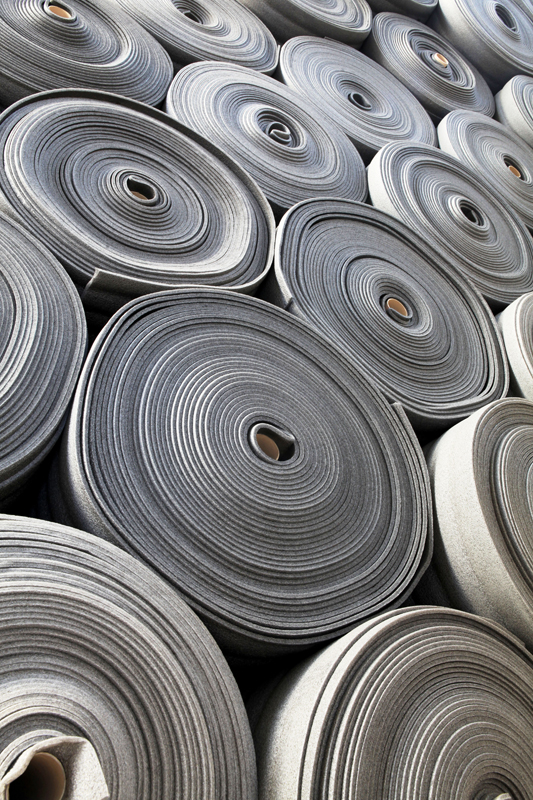
As a polyethylene foam manufacturer, Durfoam can support practical packaging needs through DurPack, while more refined or higher expectation applications may use DurProx or DurSolex depending on surface quality, resilience, thermal behavior, dimensional stability, and the required finish. For example, a general industrial separator may be produced with DurPack for economy and practicality, while a cleaner visible insert or a more demanding technical foam part may benefit from a cross linked option. This is why the material selection should never begin with the question “Which foam is cheapest?” but with the much smarter question “Which foam and adhesive structure gives the right protection, the right speed, and the right total cost for this product journey?”
Lamination: Building Better Foam by Adding Functional Layers
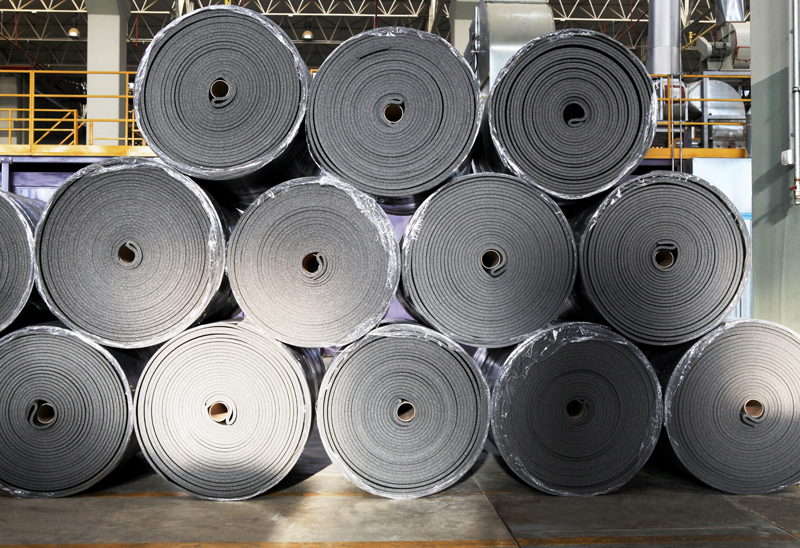
Lamination is another powerful way to increase flexibility in industrial packaging, because it allows manufacturers to combine different materials and create a composite structure that serves several needs at once. A foam layer may provide cushioning and shock absorption, while a film layer may improve surface appearance or moisture behavior, a fabric layer may increase handling comfort or abrasion resistance, and a paper or decorative surface may support labeling, presentation, or process compatibility. In this sense, lamination is like building a sandwich 🥪; the bread, filling, and sauce each do something different, but the final result becomes more useful than any single ingredient alone.
A physically cross linked polyethylene foam manufacturer can support applications where smooth surface quality, fine closed cell structure, and dimensional stability matter, while a chemically cross linked polyethylene foam manufacturer can support applications where durable closed cell performance, flexibility, sound and heat insulation, and external condition resistance are important. When these material families are combined with lamination and adhesive tape options, manufacturers gain a wider design toolbox, and that toolbox is very valuable when one product needs impact protection, another needs clean appearance, another needs fast assembly, and another needs a stronger outer surface.
Real Example: From Standard Foam Sheet to Ready to Apply Packaging Part
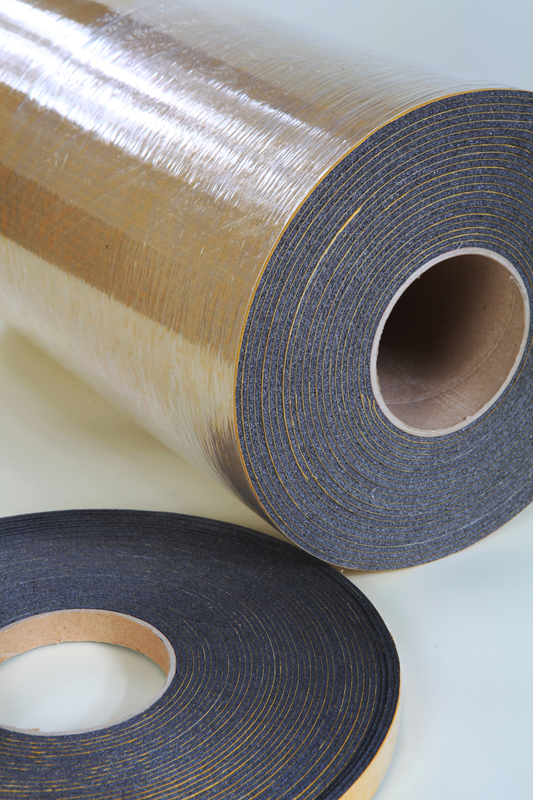
Let me give a practical example from the kind of situation I often see in manufacturing. A company produces painted metal components that are shipped to an assembly plant, and the parts need protection from scratches, dust, and movement inside the carton. If the company uses loose foam sheets, workers must place each sheet manually, check alignment, close the package carefully, and hope the foam does not move during transport. But if the same protection area is converted into a laminated, double sided adhesive foam pad, the worker can remove the liner, place the pad on the exact contact zone, and repeat the same process consistently across hundreds or thousands of products. The final package becomes cleaner, the process becomes more standard, and the risk of foam displacement decreases.
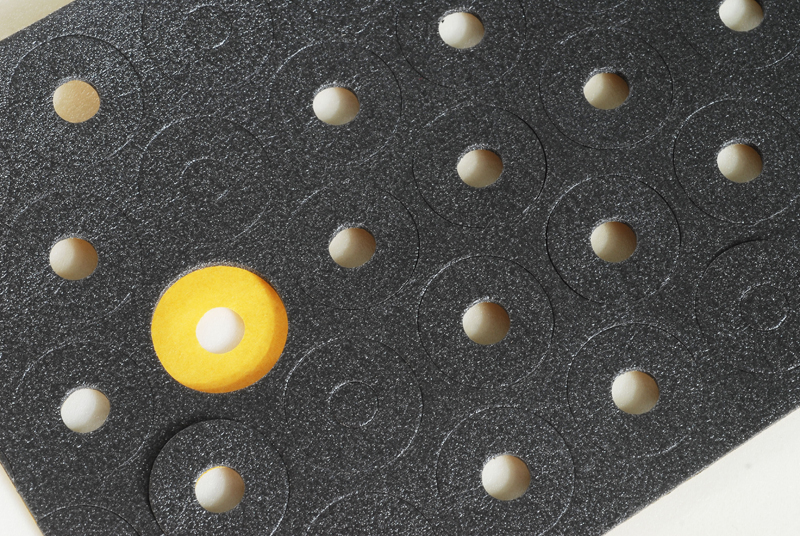
This is the kind of detail that may look small in a meeting room but becomes huge on the production floor. When packaging materials are easier to apply, operators make fewer mistakes, training becomes simpler, quality control becomes more predictable, and the line can move with less interruption. A pe foam manufacturer that also understands adhesive tape and lamination applications can therefore help customers reduce hidden costs, because the price of a material is only one part of the story; the real cost also includes labor time, rework, returns, customer complaints, storage complexity, and packaging failure risk.
DurPack, DurProx, and DurSolex in Flexible Packaging Design
DurPack is often a smart choice when the project needs economical cushioning, surface separation, dust protection, and general industrial packaging support. DurProx can be preferred when a smoother surface, finer cell structure, cleaner appearance, and premium dimensional stability are expected. DurSolex can be chosen when chemically cross linked durability, insulation, elasticity, and resistance to external conditions become more important. This means Durfoam can support different levels of packaging performance without forcing every customer into the same product type, and that flexibility is very valuable because a low risk spare part, a sensitive medical device, a white goods component, and an automotive interior part should not automatically receive the same foam solution.
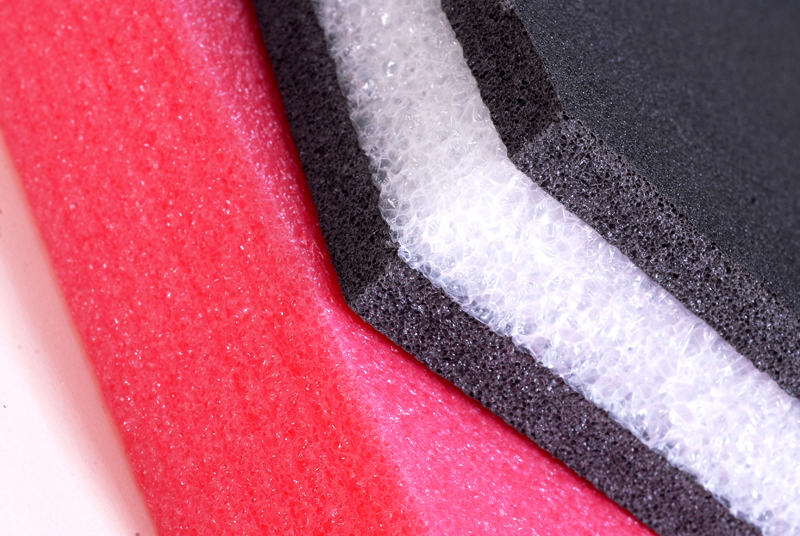
For industrial packaging teams, this choice can be organized around a few simple questions. Will the foam touch a visible product surface? Does it need to stay fixed in one place? Does the product face vibration, shock, dust, humidity, or abrasion risk? Will the foam be applied by hand or by an automated process? Is the final part expected to be removed easily, remain permanently bonded, or act as a temporary spacer? Does the packaging need a fabric, paper, film, or metallized outer layer? Once these questions are answered, double sided tape and lamination options become much easier to design, and the packaging solution starts to feel like a custom made tool instead of a generic protective layer.
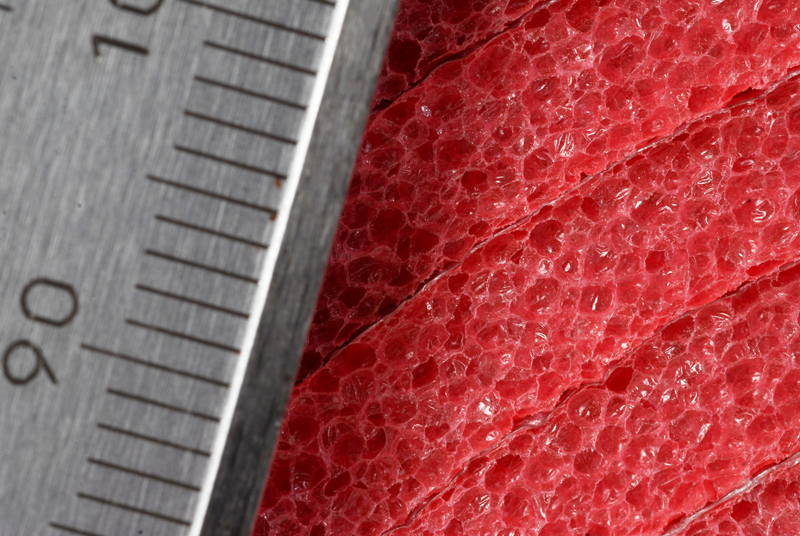
Benefits for Different Industrial Sectors
In electronics, adhesive backed foam can help secure protective pads around delicate housings, screens, panels, and internal components, while laminated surfaces can reduce dust contact and improve presentation. In white goods, foam tapes and laminated separators can protect painted panels, glass shelves, control units, and decorative trims during transport. In automotive supply chains, adhesive foam can support vibration damping, gap filling, temporary fixation, and component separation, especially when parts travel between suppliers and assembly plants. In furniture and metal goods, laminated foam can protect surfaces from rubbing and edge marks. In export packaging, these solutions can support a more stable package over long journeys where products face repeated handling, climate changes, and stacking pressure.
From my perspective, this multi sector value is exactly why a polyethylene foam manufacturer with lamination and adhesive application capability becomes more than a supplier; it becomes a production partner. I have seen companies lose time because workers had to cut, glue, tape, and adjust protection pieces manually at the packaging station, and I have also seen the relief when those same parts arrived pre cut, adhesive backed, and ready for use. It feels like changing from handwriting every label to printing them accurately from a system; the work becomes faster, cleaner, and less stressful.
Key Selection Points for Tape and Lamination Solutions
If I were choosing a double sided tape or laminated foam solution for an industrial packaging project, I would first define the product surface, expected contact pressure, transport risk, temperature exposure, humidity level, desired adhesion strength, removal expectation, and whether the foam will be used temporarily or permanently. I would also test how the adhesive behaves on the actual product surface, because painted metal, plastic, carton, glass, coated paper, and rough industrial surfaces may respond differently. A good solution should not only stick well on day one; it should remain practical during storage, application, shipment, and unpacking. That is why a physically cross linked polyethylene foam manufacturer or chemically cross linked polyethylene foam manufacturer perspective can be useful when the application needs a more controlled foam body beneath the adhesive layer.
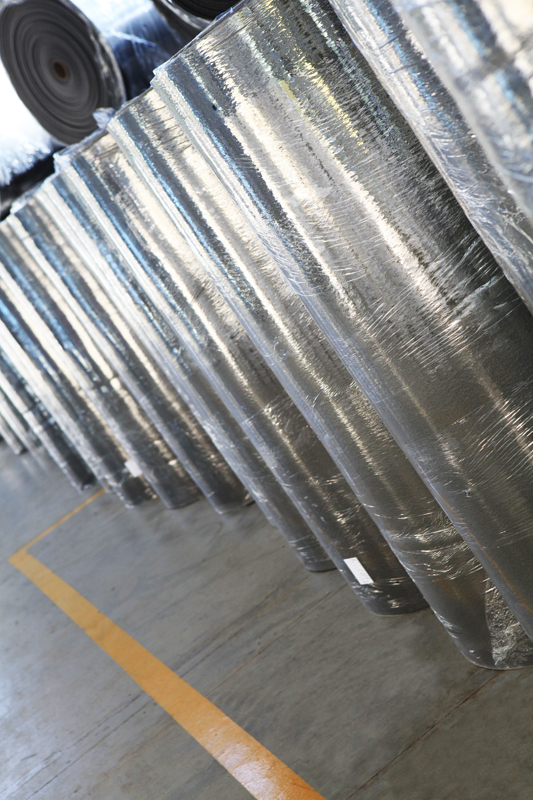
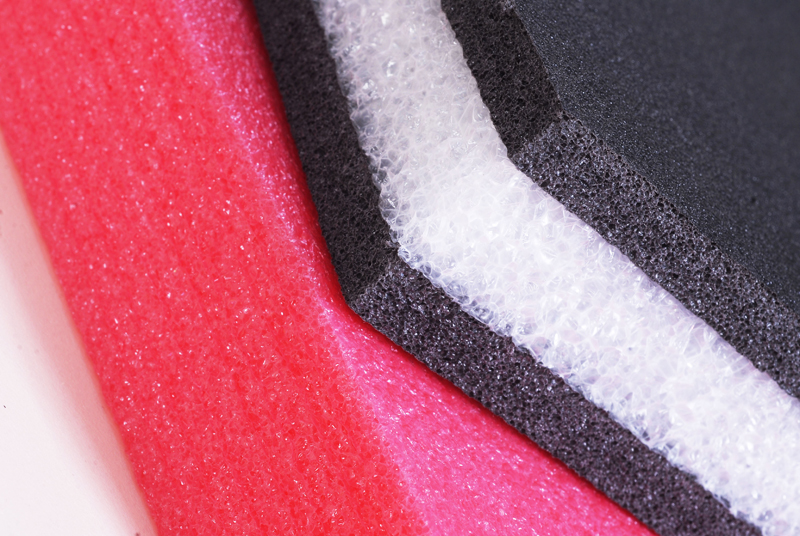
The second point is lamination compatibility, because the chosen outer layer should solve a real problem rather than simply adding cost. Fabric may support handling and abrasion resistance, film may support appearance and surface protection, paper may support process needs, and metallized surfaces may support special insulation or reflective requirements. The third point is convertibility, because foam that can be cut, shaped, laminated, taped, and produced in different dimensions gives packaging engineers more freedom to optimize both protection and workflow. The fourth point is total value, because a slightly more prepared foam component can reduce labor, lower mistakes, improve product presentation, and protect the brand image more effectively than a cheaper but poorly adapted raw sheet.
Conclusion: Flexible Packaging Starts with Smarter Foam Conversion
Double sided tape and lamination solutions give industrial packaging teams the power to turn polyethylene foam into a more flexible, cleaner, faster, and more functional production material. Instead of using foam only as a loose protective layer, manufacturers can create adhesive backed pads, laminated separators, custom inserts, surface protection parts, sealing elements, and ready to apply cushioning components that match the exact needs of the product and the production line. This approach supports impact protection, dust control, surface separation, faster assembly, lower handling mistakes, better presentation, and stronger process repeatability, which makes it especially valuable in sectors such as electronics, white goods, automotive, metal goods, furniture, industrial components, and export packaging.
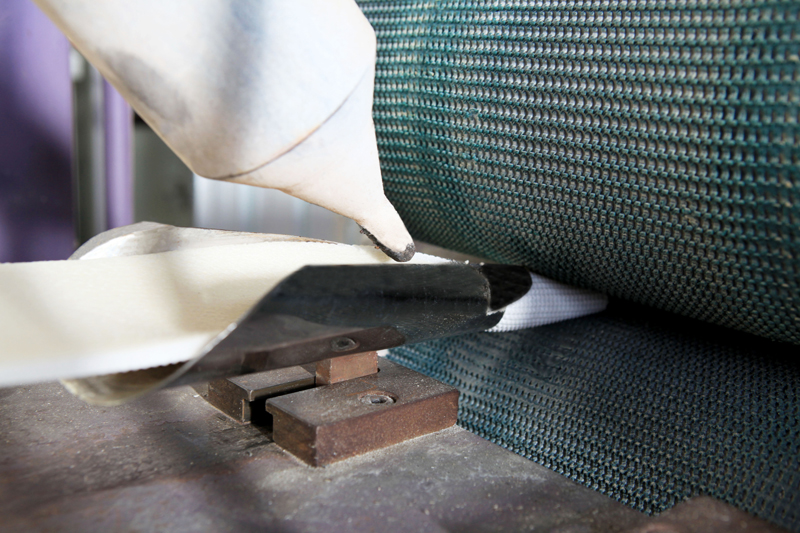
In the end, I see flexible foam conversion as the difference between giving a factory raw ingredients and giving it a prepared solution that is ready for the rhythm of production 😊. With double sided tape, the foam knows where to stay; with lamination, the foam gains new surface abilities; with the right polyethylene foam family, the packaging gains the balance of cushioning, cleanliness, durability, and economy that the product truly needs. For companies that want to reduce packaging complexity while improving quality, Durfoam offers a practical material pathway through DurPack, DurProx, DurSolex, adhesive tape applications, and lamination solutions, helping industrial packaging become not only protective but also smarter, faster, and more adaptable to real production life.